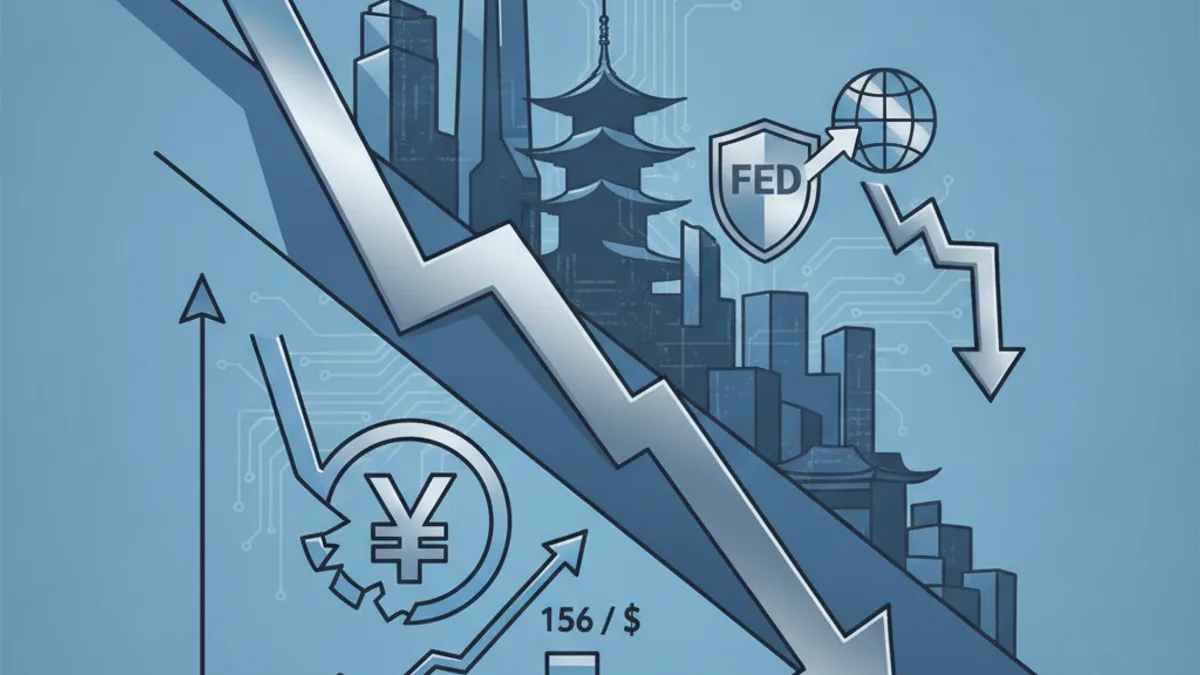
Fed Raises Rates for First Time Since 2023, Yen Weakens to 156 Per Dollar
The Fed raised rates 0.25% for the first time since 2023, causing the Dow to drop 900 points and pushing the yen to 156 per dollar, directly impacting expats' currency exchanges and investments.
Key Points
- • Fed raised rates 0.25% on September 16, first increase since July 2023.
- • Dollar strengthened to 156 yen, affecting money transfers between U.S. and Japan.
- • Dow dropped over 900 points amid expectations of additional future rate increases.
- • Expats should review investments and consider timing for large currency transfers.
The U.S. Federal Reserve raised interest rates by 0.25% on September 16, marking the first rate increase in over three years and sending ripples through global financial markets that will directly impact expats living in Japan.
According to NHK, this is the first rate hike since July 2023, ending a period of more than three years and two months without increases. Fed Chairman Kevin Warsh cited persistently high inflation as the primary reason for the decision, signaling a shift in U.S. monetary policy that could have lasting implications for the global economy.
The immediate market reaction was severe. The New York Stock Exchange saw the Dow Jones Industrial Average plummet by more than 900 points at one stage on September 16, according to NHK's market report. Investors interpreted the Fed's statement as indicating additional rate increases are likely in the coming months, triggering concerns about economic growth and corporate earnings.
For expats in Japan, the most tangible impact comes through currency exchange rates. The dollar strengthened significantly against the yen, reaching the 156 yen level in foreign exchange markets following the announcement. This represents a notable shift for anyone transferring money between the United States and Japan, whether for savings, investments, or regular expenses.
The strengthening dollar means Americans sending money to Japan will receive more yen per dollar, potentially benefiting those paying Japanese expenses with U.S. income. Conversely, expats remitting yen-denominated earnings back to dollar accounts will find their purchasing power reduced. Those planning large transfers should carefully consider timing and may want to consult with financial advisors about hedging strategies.
The rate increase also affects borrowing costs. While the Fed's decision directly impacts U.S. interest rates, it creates pressure on other central banks, including the Bank of Japan, which has maintained ultra-low rates for years. The widening interest rate differential between the U.S. and Japan typically drives capital flows toward higher-yielding dollar assets, further weakening the yen.
Expats with investments in U.S. markets should brace for continued volatility. The 900-point drop in the Dow suggests investors are concerned about the economic impact of tighter monetary policy. Higher interest rates typically slow economic activity by making borrowing more expensive for businesses and consumers, potentially affecting corporate profits and stock valuations.
For those holding bonds or fixed-income investments, rising rates generally mean falling bond prices, though newly issued bonds will offer higher yields. Expats with diversified portfolios should review their asset allocation to ensure it aligns with their risk tolerance in this changing environment.
The Fed's move also has implications for cryptocurrency holders and those invested in emerging markets, as higher U.S. rates tend to strengthen the dollar and draw capital away from riskier assets. Gold and other traditional safe-haven investments may see increased interest as market uncertainty persists.
Looking ahead, Chairman Warsh's emphasis on high inflation suggests this may not be an isolated rate increase. Expats should prepare for a potentially prolonged period of monetary tightening in the United States, which could mean continued yen weakness and market volatility throughout the remainder of 2026.
For practical planning, expats might consider locking in favorable exchange rates for known future expenses, reviewing mortgage and loan terms if borrowing in dollars, and ensuring emergency funds are adequately positioned given currency fluctuations. Those nearing retirement or planning major purchases should factor potential continued dollar strength into their financial calculations.
As global markets adjust to this new monetary policy direction, staying informed about both Fed decisions and Bank of Japan responses will be crucial for expats managing finances across both economies.