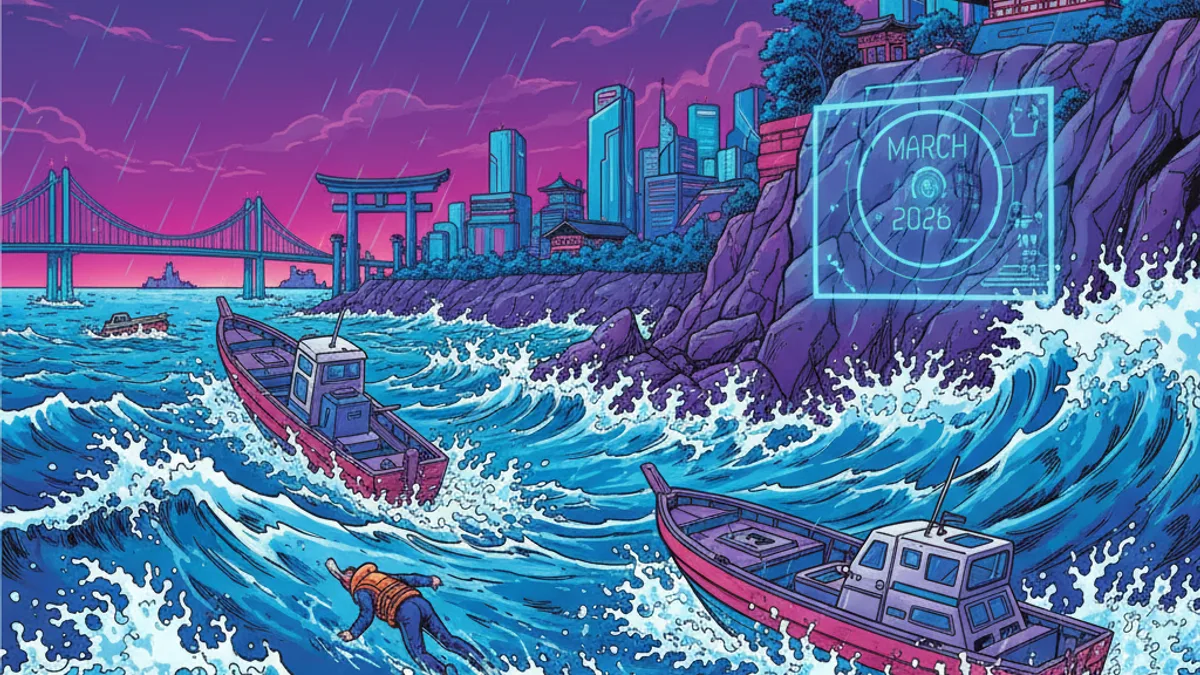
Henoko Boat Capsizing: Two Deaths Highlight Marine Safety Risks in Okinawa
Two people died when boats capsized off Henoko, Okinawa during a training trip on March 17, 2026. High waves struck the vessels despite life jackets being worn, prompting safety concerns.
Key Points
- • Two boats capsized off Henoko on March 17, killing two people.
- • High waves from diagonal front caused capsizing despite life jackets worn.
- • Always verify boat operator credentials and check weather before maritime activities.
- • Small vessels face significant risks in Okinawa's unpredictable sea conditions.
A tragic boating accident off the coast of Henoko in Nago City, Okinawa, has resulted in two deaths and raised serious questions about maritime safety protocols in the region. The incident occurred on March 17, 2026, near the site of ongoing U.S. military base relocation construction work, claiming the lives of a high school student and another individual during what was intended to be an educational training trip.
According to NHK, two boats capsized in rapid succession in the waters off Henoko, where construction work for the relocation of U.S. Marine Corps Air Station Futenma is taking place. The rescued captain told the Japan Coast Guard that the first vessel ahead of his boat capsized, followed approximately two minutes later by the second boat. Analysis of video footage captured at the scene revealed that the vessels were struck by high waves accompanied by swells coming from the left diagonal front, according to NHK's investigation.
The accident has drawn attention to the inherent dangers of small vessel operations in Okinawan waters, particularly in areas known for challenging maritime conditions. Despite the victims wearing life jackets at the time of the incident, the force of the waves and the sudden nature of the capsizing proved fatal. Maritime safety experts note that small boats have specific vulnerabilities in rough sea conditions, including limited stability in high waves and reduced ability to navigate sudden swells.
The tragedy has had immediate ripple effects on activities in the area. The "All Okinawa Conference," a coalition group that regularly conducts protest activities against the Henoko base construction, announced a temporary suspension of their maritime demonstrations following the accident. This decision reflects both respect for the victims and recognition of the dangerous conditions that can develop in these waters.
For foreign residents and visitors in Okinawa, this incident serves as a stark reminder of the importance of maritime safety awareness. The waters surrounding Okinawa, while beautiful, can be unpredictable and dangerous, particularly during certain weather conditions or in areas with strong currents. The fact that this accident occurred during an organized training trip with presumably experienced operators underscores that even professional operations can encounter life-threatening situations.
The high school involved in the tragedy held a press conference following the incident, where they faced intense questioning from reporters about safety protocols and decision-making processes that led to the trip proceeding under the conditions present that day. This scrutiny highlights the serious responsibility that educational institutions and tour operators bear when conducting maritime activities.
The Japan Coast Guard continues to investigate the exact circumstances that led to the capsizing, including weather conditions, wave patterns, and the seaworthiness of the vessels involved. The area off Henoko has been described by maritime experts as a "dangerous sea area" due to various factors including currents, wave patterns, and vessel traffic related to the ongoing construction activities.
For expats living in or visiting Okinawa, this tragedy emphasizes several critical safety considerations. Always verify the credentials and safety record of any boat tour operator before booking. Check weather forecasts and sea conditions, and don't hesitate to cancel or postpone trips if conditions appear questionable. Ensure that life jackets are not only available but properly fitted and worn at all times on the water. Finally, be aware that even with proper safety equipment, small boats face significant risks in rough conditions.
This incident serves as a sobering reminder that Japan's waters, while offering incredible recreational opportunities, demand respect and proper preparation. The loss of life in this accident underscores the vital importance of maritime safety awareness for all residents and visitors to Okinawa.