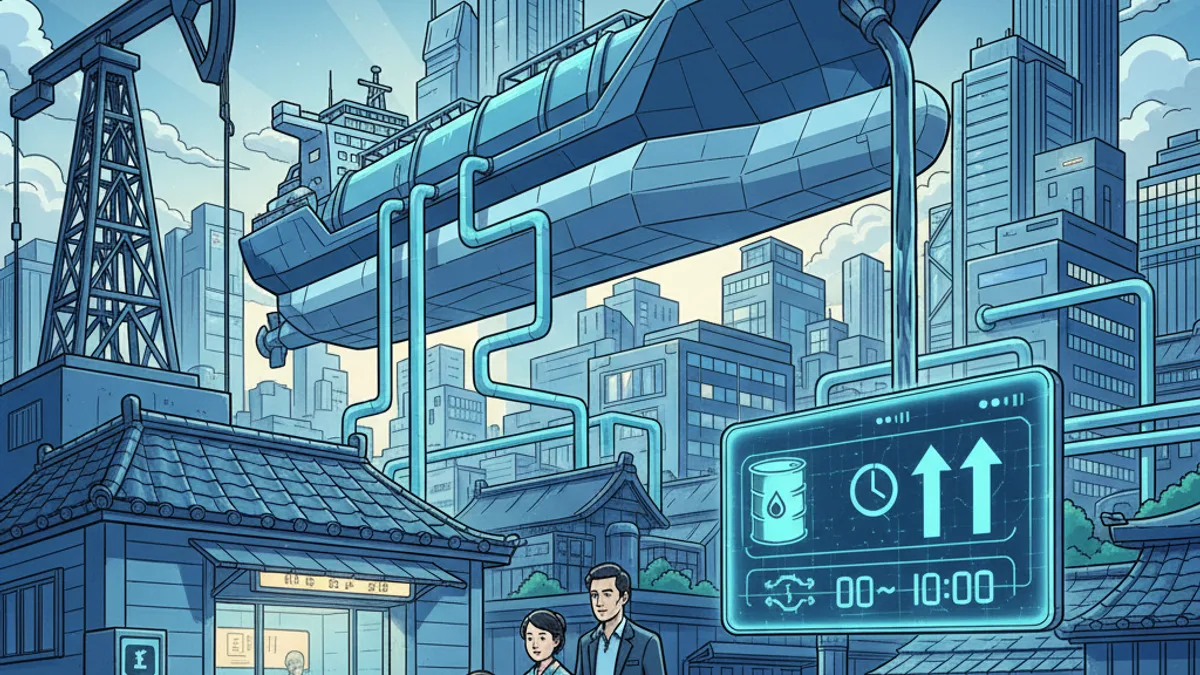
Iran Crisis Drives Fuel Prices Up: Japan Orders Direct Oil Sales
Japan's government orders oil companies to prioritize critical facilities amid Iran-driven fuel price surge. Bathhouses reduce hours, strategic reserves may be tapped, affecting expat living costs.
Key Points
- • Government directs oil wholesalers to prioritize hospitals and public transportation facilities.
- • Public bathhouses reducing hours due to fuel costs, affecting residents nationwide.
- • Japan considering releasing 20 days of national petroleum reserves to stabilize supply.
- • Heating and transportation costs expected to rise for foreign residents significantly.
Foreign residents in Japan are facing the prospect of higher fuel costs and potential service disruptions as escalating tensions in Iran drive petroleum prices sharply upward, prompting emergency government intervention to protect critical infrastructure.
On April 9, 2026, the Japanese government issued formal written requests to major oil wholesalers, directing them to prioritize direct sales to essential facilities including hospitals, public transportation systems, and other critical infrastructure, according to NHK. The unprecedented move comes as concerns mount about fuel procurement challenges affecting vital services across the country.
The crisis has already begun impacting everyday services that foreign residents rely on. Traditional public bathhouses (sento), a staple of Japanese community life used by many apartment dwellers without private baths, are particularly hard-hit. Representatives from sento management associations attended a Liberal Democratic Party meeting on April 9 to request expanded government support, reporting that some bathhouses have already reduced operating hours due to soaring fuel costs, NHK reported.
The government is also considering releasing additional petroleum from national strategic reserves to stabilize domestic supply, with discussions focusing on releasing approximately 20 days' worth of nationally-stored oil, according to Yahoo Japan. This would mark a significant drawdown of Japan's emergency petroleum stockpile, which the country maintains precisely for such international supply disruptions.
For expats living in Japan, the implications extend beyond just higher gasoline prices at the pump. Heating costs for homes and apartments are expected to rise, particularly affecting those in older buildings that rely on kerosene heaters rather than electric or gas heating systems. Public transportation fares may also increase if operators face sustained higher fuel costs, though any such changes would require regulatory approval.
The situation underscores Japan's vulnerability to Middle Eastern oil supply disruptions. Despite decades of effort to diversify energy sources, the country remains heavily dependent on petroleum imports, with a significant portion historically sourced from Iran and neighboring Gulf states. The current crisis has revived longstanding debates about energy security in resource-poor Japan.
Businesses operated by foreign entrepreneurs may face particular challenges. Restaurants, delivery services, and other fuel-dependent operations should prepare for potentially sustained higher operating costs. The government's prioritization system for direct oil sales focuses on medical facilities, public transit, and emergency services, meaning commercial enterprises will likely compete for remaining supply through normal market channels at elevated prices.
The sento operators' plea for government assistance highlights how support measures may become available. Foreign business owners facing similar fuel cost pressures should monitor announcements from industry associations and consider coordinating advocacy efforts through relevant trade groups. The Japanese government has historically implemented subsidy programs during past oil crises, though eligibility requirements and application processes can be complex for non-Japanese speakers.
Expats should also prepare for potential supply interruptions. While Japan's strategic petroleum reserve provides a substantial buffer, the consideration of releasing 20 days' worth of supply suggests officials are taking the crisis seriously. Residents who rely on kerosene heating should consider filling tanks sooner rather than later, and those with vehicles might want to keep fuel tanks fuller than usual.
The government's direct intervention in oil distribution markets represents an unusual step that reflects the severity of official concerns about the Iran situation. While Japan's sophisticated supply chain management typically handles disruptions smoothly, the formal written requests to oil companies indicate authorities are preparing for potentially prolonged market stress.
For now, foreign residents should budget for higher transportation and heating costs in coming months, monitor local news for any service reductions in public facilities, and stay informed about any government support programs that may become available to offset increased living expenses.