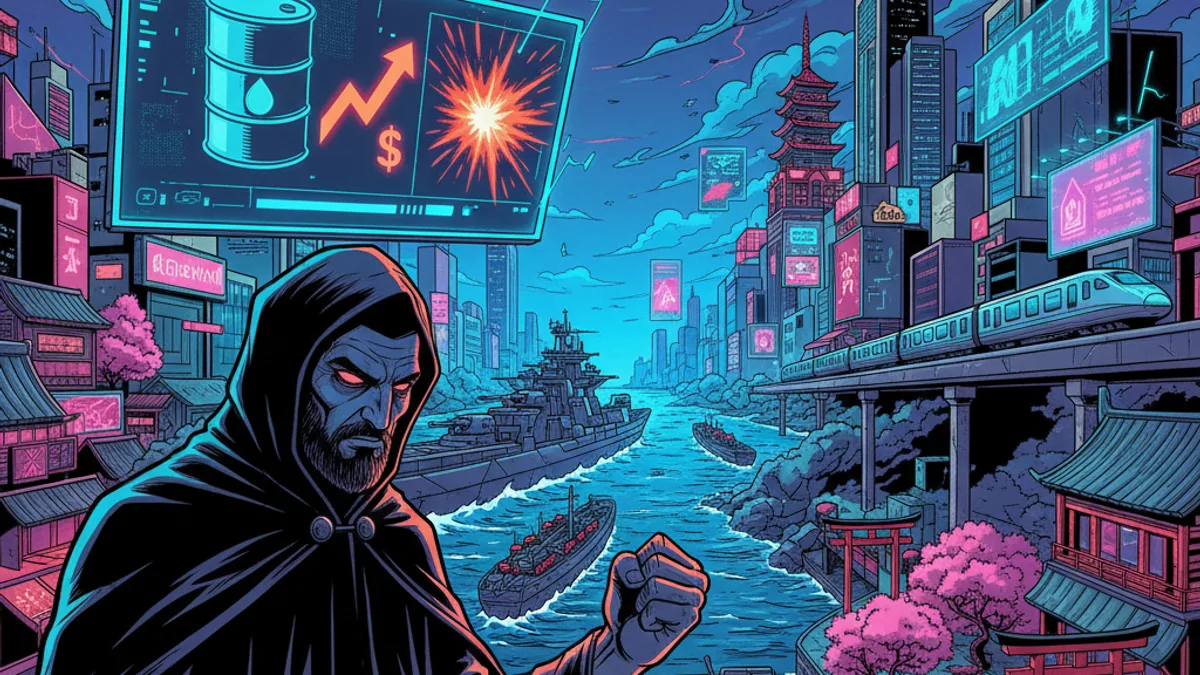
Iran's New Supreme Leader Threatens Retaliation, Maintains Hormuz Blockade
Iran's new Supreme Leader Mojtaba Khamenei vows to maintain the Hormuz Strait blockade and retaliate against U.S. and Israeli forces, potentially affecting global oil supplies and energy prices in Japan.
Key Points
- • Iran maintains Hormuz Strait blockade, affecting one-fifth of global oil supply.
- • New Supreme Leader threatens attacks on U.S. bases in neighboring countries.
- • Energy price increases likely in Japan due to Persian Gulf disruptions.
- • International flights through Middle East airspace may face route changes.
Iran's newly appointed Supreme Leader Mojtaba Khamenei has issued his first official statement, vowing continued military action against the United States and Israel while maintaining the strategic blockade of the Strait of Hormuz. The development marks a significant escalation in Middle East tensions that could have far-reaching implications for global energy markets and international security.
According to NHK, Mojtaba Khamenei's inaugural statement as Supreme Leader declared that "the blockade of the Strait of Hormuz will certainly continue" as part of Iran's pressure campaign against its adversaries. The strait, a critical maritime chokepoint through which approximately one-fifth of the world's oil supply passes, has been effectively closed by Iranian forces amid ongoing military exchanges with American and Israeli forces.
The new Supreme Leader, who succeeded his father in the position, has adopted an uncompromising stance toward Iran's regional rivals. In statements reported by multiple Japanese news outlets, Mojtaba Khamenei pledged to "definitely retaliate" against attacks and specifically threatened to target "U.S. military bases in neighboring countries." This represents a continuation and potential intensification of Iran's confrontational posture in the region.
The Hormuz Strait blockade has already begun affecting global energy supplies and shipping routes. While Japan relies heavily on Middle Eastern oil imports, the country has been working to diversify its energy sources in recent years. However, sustained disruption to Persian Gulf shipping lanes could still impact fuel prices and availability in Japan, potentially affecting transportation costs and consumer goods prices for residents.
For foreign nationals living in Japan, the immediate practical concerns relate primarily to economic impacts rather than direct security threats. Energy price fluctuations could lead to increased utility costs and higher prices for petroleum-based products. Additionally, any prolonged crisis could affect international travel routes, particularly flights connecting Japan to Europe and the Middle East that typically traverse or skirt the Persian Gulf region.
The Japanese government has historically maintained diplomatic relations with Iran while also being a key U.S. ally, placing Tokyo in a delicate position during Middle East crises. Japan's Ministry of Foreign Affairs has not yet issued specific travel advisories related to the current escalation, though existing warnings against travel to Iran and surrounding conflict zones remain in effect.
Experts suggest that if the Hormuz blockade persists, Japan may need to rely more heavily on alternative energy sources and shipping routes, potentially drawing from strategic petroleum reserves. The Japanese government has maintained approximately 240 days' worth of oil reserves as a buffer against supply disruptions, providing some insulation from immediate shortages.
The international community has expressed concern over the escalating situation. The United Nations and various regional powers are reportedly working on diplomatic solutions, though Mojtaba Khamenei's defiant first statement suggests Iran is prepared for extended confrontation. The new Supreme Leader's youth and relatively hardline positions compared to other Iranian political figures have raised questions about the potential for diplomatic resolution.
For expats in Japan, monitoring fuel prices and staying informed about potential travel disruptions should be priorities in the coming weeks. While Japan's geographic distance from the conflict zone provides physical security, the interconnected nature of global energy markets means economic ripple effects are likely. Residents should also stay updated through official channels from their embassies regarding any developments that might affect international travel or require adjustments to travel plans through Middle Eastern airspace.
The situation remains fluid, and further developments are expected as international diplomatic efforts continue. The coming weeks will be crucial in determining whether tensions escalate further or if diplomatic channels can help de-escalate the crisis and reopen this vital maritime corridor.