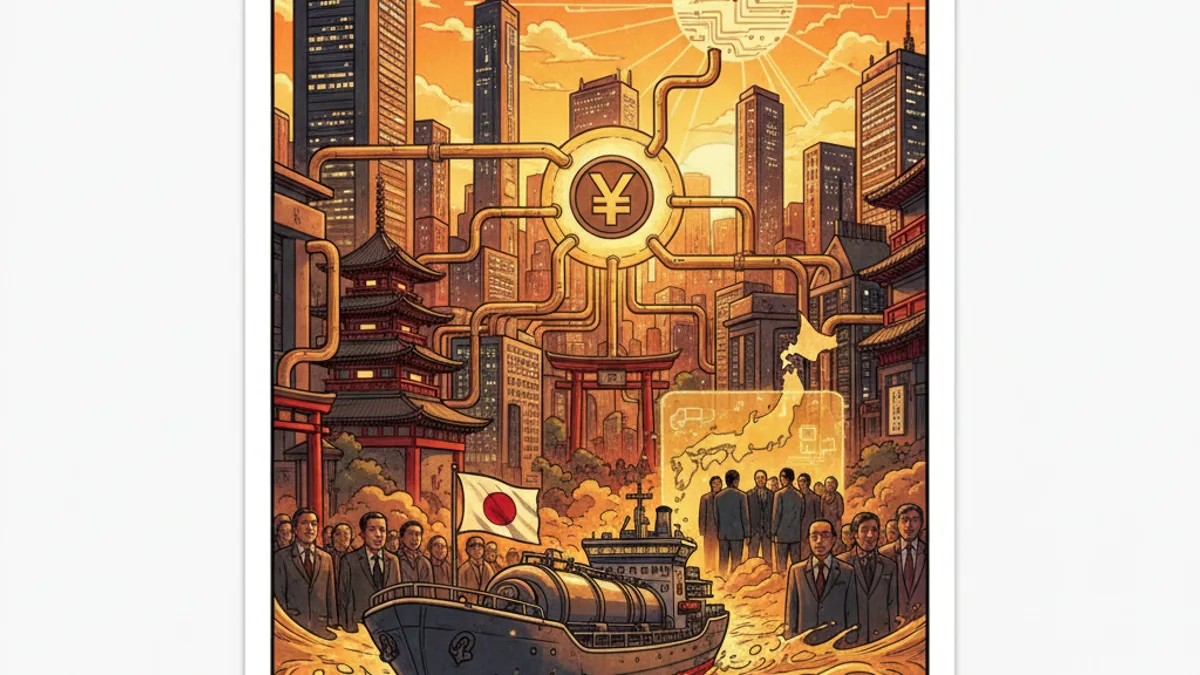
Japan Activates Emergency Oil Measures as Iran Crisis Threatens Supply
Japan activates emergency oil measures as Iran tensions threaten supply. Government establishes crisis council, releases strategic reserves, and allocates 800 billion yen for price controls amid potential fuel disruptions.
Key Points
- • New ministerial council launches March 24 to secure oil and gas supplies.
- • Government allocates 800 billion yen for gasoline price mitigation through reserve funds.
- • Oil companies request strategic reserve releases continue beyond April amid supply concerns.
- • Fuel prices may rise despite controls; monitor stations for potential supply disruptions.
Foreign residents in Japan are facing potential disruptions to fuel supplies and rising energy costs as the government implements emergency measures in response to escalating tensions with Iran that threaten the country's oil security.
Prime Minister Takaichi announced on March 23 that the government will establish a new ministerial council on March 24 to address the Middle East crisis, according to NHK. The council will focus on securing stable supplies of crude oil, natural gas, and petroleum products including naphtha—a critical concern for Japan, which imports approximately 90% of its energy needs.
The crisis intensified after U.S. President Trump threatened military action against Iranian power plants unless the Strait of Hormuz—a critical shipping route for global oil supplies—was reopened within 48 hours. On March 23, Trump announced via social media that he had instructed the Pentagon to delay attacks on Iranian facilities for five days following discussions with Iran, claiming an agreement had been reached preventing Iran from possessing nuclear weapons. However, the situation remains volatile.
The immediate impact on Japan's fuel market has already materialized. The Ministry of Economy, Trade and Industry (METI) issued urgent requests to oil wholesalers and trading companies on March 23, instructing them not to restrict gasoline sales after reports emerged that some gas stations were experiencing difficulty procuring fuel, according to NHK reporting.
For expats driving in Japan, fuel price volatility is expected to continue. Oil prices on the New York Mercantile Exchange briefly exceeded $100 per barrel on March 22—a significant psychological threshold that signals serious supply concerns. The Japanese government has responded by allocating approximately 800 billion yen from reserve funds to extend its gasoline price mitigation program, which aims to cushion consumers from sharp price increases at the pump.
The Petroleum Association of Japan, representing major oil companies, plans to request that the government continue releasing oil from strategic reserves beyond the current timeline of April, according to statements from Chairman Kito reported by NHK. This indicates industry concerns about prolonged supply disruptions.
International coordination is also underway. The International Energy Agency (IEA) Executive Director Birol characterized the potential impact on oil supplies as "extremely serious" and emphasized the organization's readiness to authorize additional releases from member countries' strategic petroleum reserves if necessary, according to NHK.
For foreign residents, these developments carry several practical implications. First, fuel prices may continue rising despite government intervention programs, affecting commuting costs and travel budgets. Second, supply disruptions could potentially lead to temporary shortages at some gas stations, particularly in rural areas with fewer suppliers.
Expats should monitor official government announcements through METI's website and English-language news sources for updates on fuel availability and pricing measures. The government's price mitigation program helps limit sudden increases, but does not guarantee price stability at current levels.
Businesses employing foreign workers, particularly those in logistics, transportation, or industries dependent on petroleum products, should prepare contingency plans for potential cost increases and supply chain disruptions. The mention of naphtha—a feedstock for plastics and chemicals—in the ministerial council's agenda suggests concerns extend beyond consumer gasoline to industrial applications.
The five-day delay in potential U.S. military action provides a brief window for diplomatic resolution, but the situation remains fluid. Japan's heavy dependence on Middle Eastern oil—particularly from Saudi Arabia and the United Arab Emirates, in addition to previous imports from Iran—makes it particularly vulnerable to regional instability.
Foreign residents should stay informed through official channels and consider adjusting travel plans or fuel consumption patterns if the crisis escalates. The government's proactive stance, including reserve releases and price controls, demonstrates commitment to maintaining stability, but the ultimate resolution depends on factors beyond Japan's direct control.