Japan Considers Energy Subsidies as Middle East Crisis Threatens Summer Bills
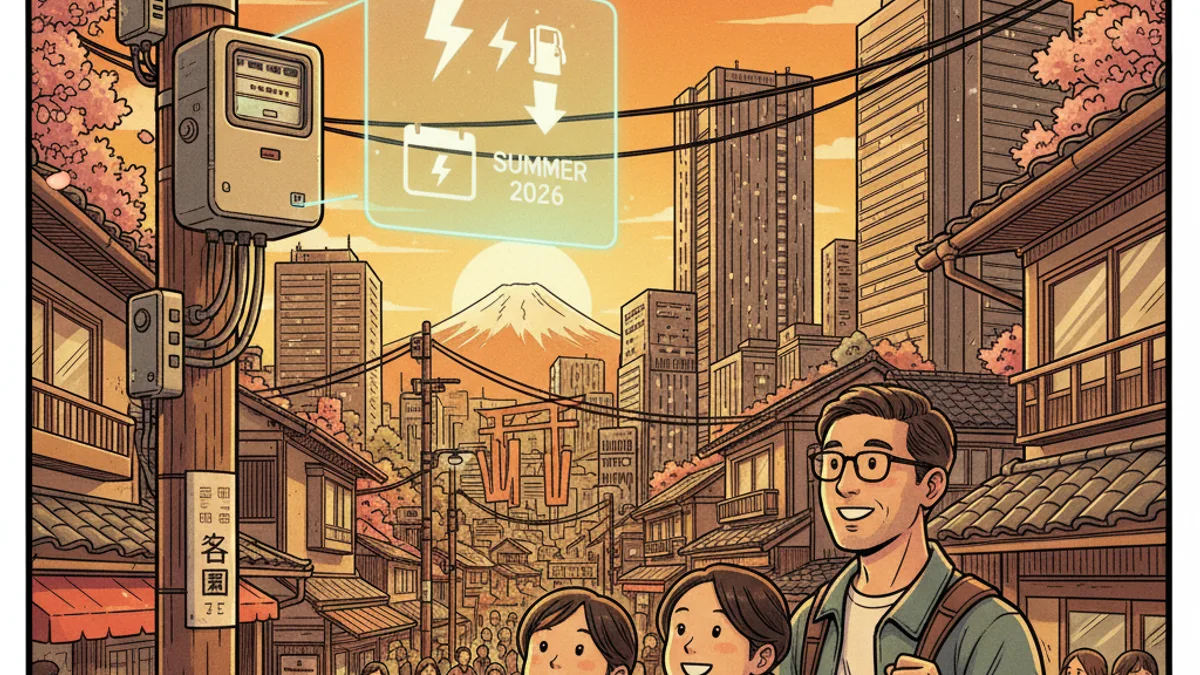
Japan's government is considering electricity and gas subsidies for summer 2026 due to Middle East tensions threatening energy price increases, potentially benefiting all residents including expats through automatic bill reductions.
Key Points
- • Government examining summer energy subsidies due to Middle East crisis impacts.
- • Subsidies would automatically reduce utility bills for all households if approved.
- • Implementation details and timing not yet confirmed by authorities.
- • Previous subsidy programs applied universally regardless of resident nationality.
The Japanese government is exploring the possibility of reinstating electricity and gas subsidies this summer as escalating tensions in the Middle East threaten to drive energy costs higher for households nationwide, according to NHK.
The potential subsidy program comes as authorities monitor geopolitical developments in the Middle East that could significantly impact global energy markets and, consequently, utility bills for residents across Japan, including the country's foreign population.
Background on Energy Subsidies
Japan previously implemented electricity and gas subsidies to cushion households from surging energy costs following global supply disruptions. These measures provided direct reductions on monthly utility bills, offering tangible relief to both Japanese citizens and foreign residents alike. The government has now signaled it may revive similar support mechanisms in response to current international circumstances.
The Middle East Crisis Factor
The government's consideration of renewed subsidies stems directly from ongoing instability in the Middle East, a region critical to Japan's energy security. As a nation that imports the vast majority of its energy resources, Japan remains particularly vulnerable to disruptions in oil and gas supplies from this strategically important area.
According to NHK reporting on May 13, 2026, officials are specifically concerned about price increases expected during the summer months, when electricity demand typically rises due to air conditioning usage. This seasonal factor, combined with potential supply constraints, creates a perfect storm that could significantly inflate household energy expenses.
What This Means for Foreign Residents
For expats living in Japan, energy costs represent a substantial portion of monthly living expenses, particularly during summer and winter when climate control becomes essential. Any subsidy program would likely apply universally to all households with utility contracts, regardless of nationality, as previous subsidy schemes operated on this inclusive basis.
Foreign residents should understand that Japanese utility billing operates differently than in many Western countries. Electricity and gas charges fluctuate monthly based on wholesale energy prices, meaning international events can directly impact household budgets within weeks. This pass-through pricing system makes consumers immediately vulnerable to global market volatility.
Timeline and Implementation
While the government has confirmed it is examining subsidy options, specific details regarding implementation timing, subsidy amounts, and duration remain undecided. The deliberation process suggests authorities are taking a cautious approach, likely waiting to assess how Middle East developments unfold before committing to specific measures.
Expats should note that if subsidies are approved, they would typically appear as automatic deductions on monthly utility bills rather than requiring separate applications. Previous subsidy programs operated seamlessly through existing utility company systems, minimizing bureaucratic burden on residents.
Practical Considerations
Foreign residents concerned about rising energy costs should consider several proactive measures regardless of whether subsidies materialize. First, ensure your residence is energy-efficient by using insulation, maintaining air conditioning units, and utilizing energy-saving appliances. Second, monitor your utility bills carefully to understand consumption patterns and identify opportunities for reduction.
Additionally, expats may want to explore alternative electricity providers through Japan's liberalized energy market, where competitive pricing might offer better rates than traditional regional utilities. However, be aware that all providers remain subject to the same wholesale price fluctuations driving the current subsidy discussions.
Looking Ahead
The government's consideration of energy subsidies reflects broader concerns about maintaining economic stability and household purchasing power amid international uncertainties. For Japan's foreign resident community, these potential measures represent welcome relief, though the ultimate scope and implementation remain to be determined.
Expats should stay informed through official government announcements and utility company communications as summer approaches. While subsidies may provide temporary relief, the situation underscores the importance of energy consciousness and financial planning in navigating Japan's cost of living as a foreign resident.