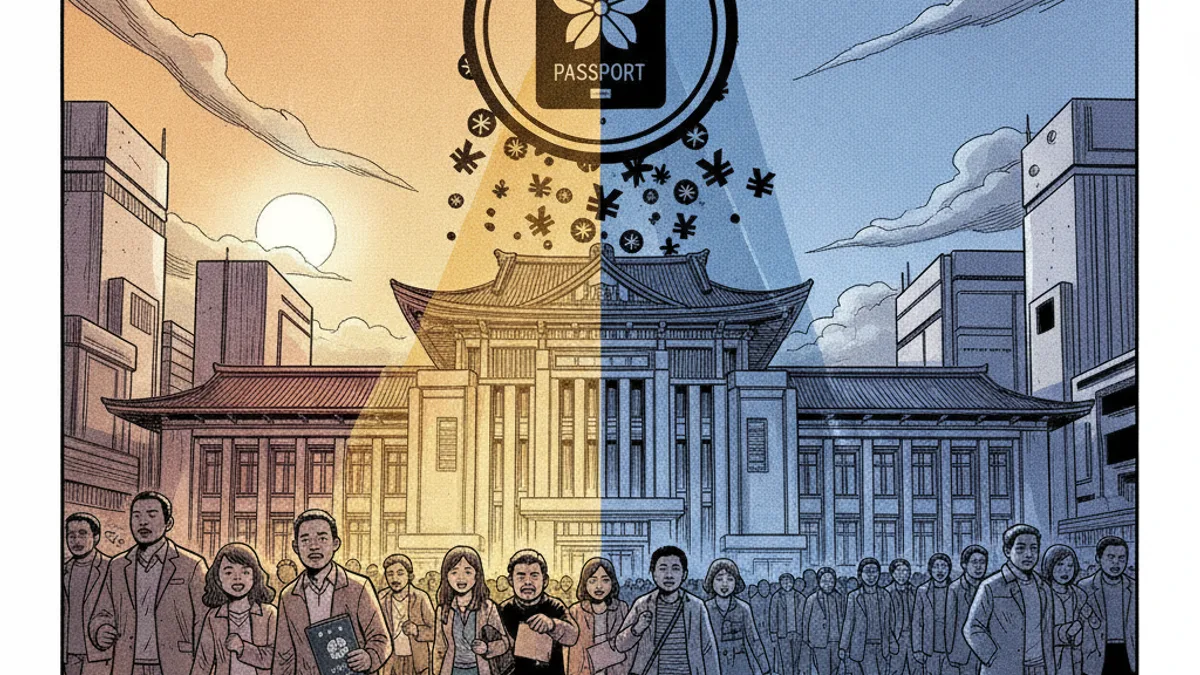
Japan Cuts Passport Fees by Up to 7,000 Yen from July 1
Japan reduced passport fees by up to 7,000 yen starting July 1, but processing times may extend to one month due to expected application surges. Officials urge early applications to avoid delays.
Key Points
- • Japanese passport fees reduced by up to 7,000 yen effective July 1.
- • Processing times may extend to one month due to application surge.
- • Government urges applicants to submit applications well before travel dates.
- • Increased traffic at passport centers may affect nearby consular facilities.
Foreign residents in Japan who need to renew or apply for their home country passports through embassy services may see indirect benefits from Japan's announcement of significant passport fee reductions, which took effect July 1, 2026. While this policy change directly affects Japanese passport applicants, the expected surge in applications and processing delays could impact shared consular facilities and provide insights into broader administrative reforms.
According to NHK, Japan has reduced passport application fees by up to 7,000 yen as of July 1, marking a substantial cost decrease for Japanese citizens seeking travel documents. Chief Cabinet Secretary Kihara announced the fee reduction while simultaneously warning applicants to expect longer processing times due to anticipated increases in applications.
The fee reduction represents a significant policy shift in Japan's passport administration. While specific new fee amounts were not detailed in the available sources, the maximum reduction of 7,000 yen suggests meaningful savings for Japanese passport applicants. This change comes as Japan continues efforts to streamline government services and reduce administrative costs for citizens.
However, the cost reduction comes with an important caveat. Chief Cabinet Secretary Kihara specifically cautioned that processing times could extend to approximately one month due to the expected surge in applications following the fee reduction announcement. This represents a notable increase from typical processing times and reflects the government's anticipation of significantly higher application volumes.
For foreign residents in Japan, while this policy directly affects only Japanese passport holders, there are several indirect implications worth noting. First, prefectural passport centers that handle Japanese passport applications are often located in the same government buildings or districts as immigration offices and some consular facilities. The predicted increase in foot traffic and longer wait times at these locations could create crowding and extended processing times across related government services.
Second, the Japanese government's move to reduce passport fees while warning about processing delays offers a case study in administrative capacity planning. Foreign residents who need to renew their own national passports through their country's embassy or consulate in Japan should take note of this balance between cost reduction and service speed. It may be prudent to check with your home country's consular services about their current processing times and whether they're experiencing similar volume increases.
Third, this policy change demonstrates Japan's ongoing efforts to reduce administrative costs and modernize government services. Foreign residents should stay informed about similar reforms that might affect immigration services, residence card renewals, or other administrative processes that directly impact the expat community.
The timing of the July 1 implementation, coinciding with the start of Japan's fiscal first quarter and the summer travel season, suggests strategic planning by the government. However, it also means that the peak impact on processing times will likely occur during the summer months when many people plan international travel.
Chief Cabinet Secretary Kihara's public appeal for applicants to submit their applications with ample time before planned travel dates underscores the seriousness of the anticipated delays. The government's proactive communication about potential wait times, even while announcing a cost-saving measure, reflects a transparent approach to managing public expectations.
For foreign residents, the key lesson from this policy change is the importance of advance planning for any passport or travel document needs. Whether applying through Japanese government offices or your home country's consular services, building in extra processing time—particularly during peak seasons—remains essential for avoiding travel disruptions.
As Japan continues to adapt its administrative services in the post-pandemic era, foreign residents should monitor announcements from both Japanese authorities and their home country embassies for similar policy changes that could affect travel document processing, costs, or requirements.