Japan Evacuates Citizens from Iran Amid Escalating Middle East Crisis
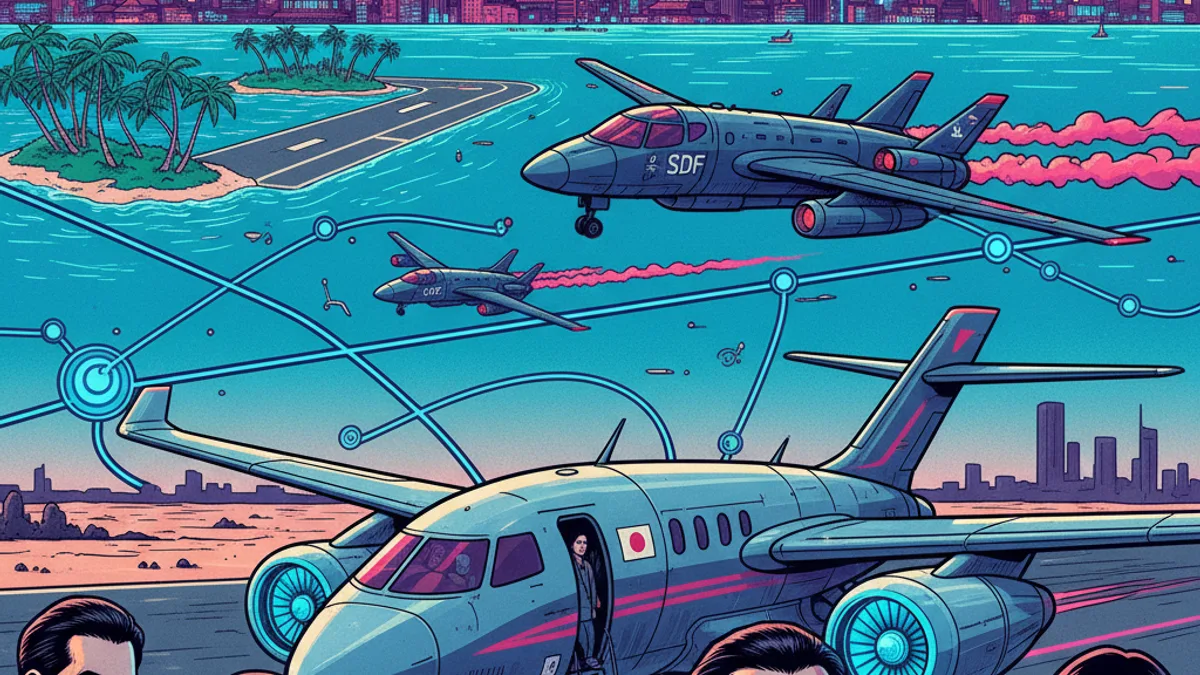
Japan evacuated 14 embassy staff from Iran to Azerbaijan and brought 107 citizens home via charter flights from Oman, with SDF aircraft deployed to the Maldives as backup amid escalating Middle East tensions.
Key Points
- • 14 Japanese embassy staff evacuated from Iran to Azerbaijan on March 8.
- • 107 Japanese travelers returned from Oman; additional Saudi Arabia flight scheduled March 9.
- • Self-Defense Forces aircraft positioned in Maldives to support ongoing evacuation operations.
- • Rapid government response demonstrates crisis evacuation capabilities for citizens traveling abroad.
The Japanese government has initiated a large-scale evacuation operation to bring home citizens stranded in the Middle East as regional tensions escalate, with embassy staff withdrawn from Iran and charter flights returning over 100 travelers to safety.
According to NHK, the Ministry of Foreign Affairs confirmed that 14 people, including 13 Japanese nationals working at the Japanese Embassy in Tehran and one foreign family member, evacuated to neighboring Azerbaijan on the morning of March 8, 2026 (Japan time), with government support. This evacuation of diplomatic personnel signals the seriousness with which Japanese authorities are treating the deteriorating security situation in Iran.
The evacuation effort extends beyond embassy staff to include Japanese tourists and business travelers caught in the region. NHK reported that a charter flight carrying 107 Japanese travelers departed from Oman and arrived at Narita Airport on the evening of March 8. The government has arranged additional charter flights, with another scheduled to depart from Saudi Arabia on March 9, according to the same report.
To support the evacuation operations, Japan's Self-Defense Forces have been deployed to the region. According to NHK, SDF aircraft departed in the early morning hours of March 8 and arrived at the Maldives, located southeast of Iran, at approximately 1:30 PM Japan time. The military aircraft are standing by in the Maldives to provide backup support for the government-arranged charter flights if needed.
The evacuation comes amid what sources describe as a broader Middle East crisis, though specific details about the nature of the security threat were not disclosed in official statements. The decision to evacuate embassy personnel from Iran represents a significant diplomatic move, as embassies typically maintain skeleton staff even during periods of heightened tension.
For foreign residents in Japan, this operation demonstrates the Japanese government's capacity and willingness to organize large-scale evacuations when citizens face security risks abroad. The coordination between multiple government agencies, including the Ministry of Foreign Affairs, the Ministry of Defense, and commercial aviation partners, showcases the infrastructure available for crisis response.
The use of charter flights from multiple Middle Eastern locations suggests that Japanese nationals were dispersed across several countries in the region. The government's ability to arrange flights from Oman and Saudi Arabia, while positioning military backup in the Maldives, indicates careful logistical planning to ensure all citizens have evacuation options regardless of their location.
Expats living in Japan should take note of several practical implications from this operation. First, the Japanese government maintains systems to track and assist citizens abroad during crises, which may also extend to foreign residents with valid Japanese visas depending on bilateral agreements. Second, the speed of the evacuation—with flights arranged and executed within days—demonstrates that when security situations deteriorate rapidly, authorities can mobilize quickly.
For those planning travel to regions experiencing political instability, this incident underscores the importance of registering with relevant embassies and maintaining awareness of evacuation procedures. While these particular evacuations involved Japanese citizens, foreign residents in Japan traveling abroad should ensure their home countries have current contact information and understand what consular assistance may be available.
The government has not announced whether additional evacuation flights will be necessary, but the continued presence of SDF aircraft in the Maldives suggests authorities are prepared for further operations if the situation demands. As of March 8, all evacuated individuals had returned safely or reached secure locations in neighboring countries.
This evacuation operation serves as a reminder that regional conflicts can quickly affect international travel and business operations, requiring both government preparedness and individual awareness of potential risks when traveling to politically sensitive regions.