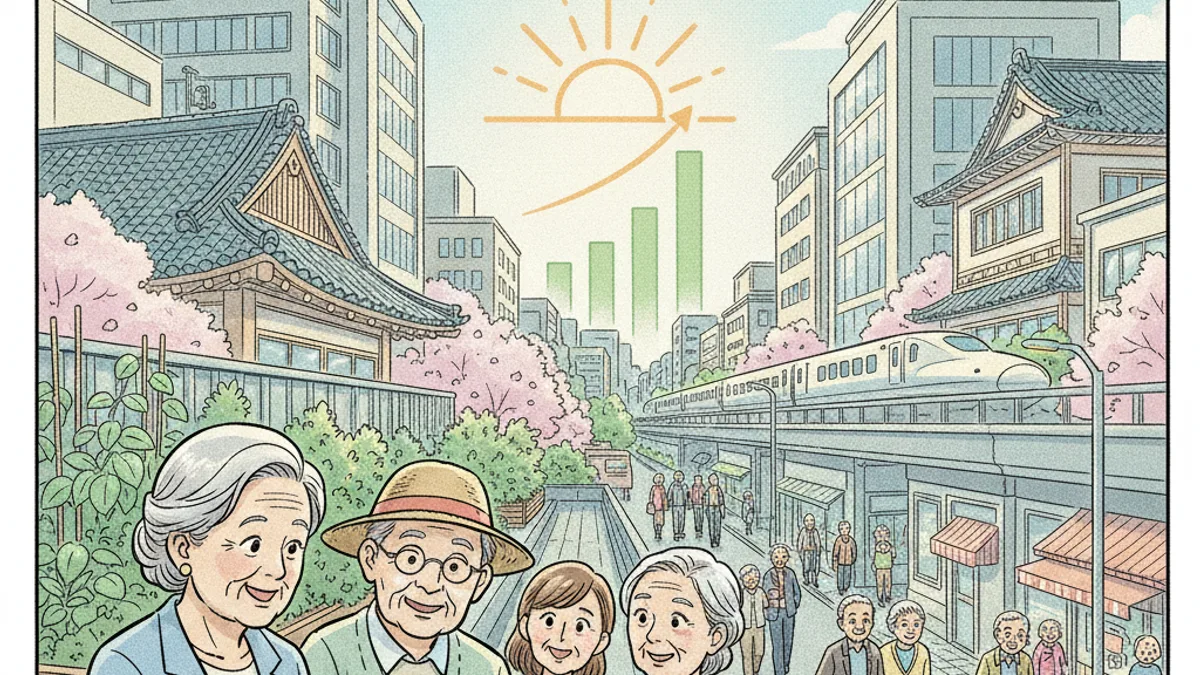
Japan's Senior Population Hits Record 29.6% as Society Ages Rapidly
Japan's 65+ population reaches record 29.6% of total, with 9.43 million seniors working. The aging society affects healthcare access, labor markets, and public services for all residents including expats.
Key Points
- • Senior citizens now comprise 29.6% of Japan's population, the highest ever recorded.
- • Working seniors reached 9.43 million, creating increased competition across job markets.
- • Healthcare facilities face growing pressure with longer wait times at hospitals nationwide.
- • Demographic pressures may accelerate immigration policy reforms benefiting foreign workers.
Japan has reached a new demographic milestone as citizens aged 65 and older now comprise 29.6% of the total population, according to data released by the Ministry of Internal Affairs and Communications ahead of Respect for the Aged Day on September 21st. This marks the highest proportion ever recorded and underscores the accelerating pace of Japan's demographic transformation.
The latest figures, reported by NHK, reveal that nearly three in every ten people living in Japan are now considered senior citizens. This demographic shift has profound implications for the country's economy, healthcare system, and social services—factors that directly affect foreign residents who have made Japan their home or are considering long-term residency.
Particularly noteworthy is the surge in working seniors. The number of employed individuals aged 65 and older has reached 9.43 million, also an all-time high according to the Ministry's data. This trend reflects both the financial necessity for many retirees to continue working and the Japanese government's ongoing efforts to keep older citizens economically active through policy incentives and extended retirement ages.
For expats living in Japan, this demographic reality manifests in several tangible ways. The labor market increasingly values workers of all ages, with many companies actively recruiting older employees to fill persistent labor shortages. This trend may create more opportunities for mature foreign professionals, particularly those with specialized skills or Japanese language proficiency. However, it also means increased competition for positions across all age brackets as more seniors remain in or return to the workforce.
The aging society also impacts Japan's social infrastructure in ways expats should understand. Healthcare facilities are under growing pressure, with longer wait times becoming more common at hospitals and clinics, particularly in urban areas. Foreign residents should ensure they maintain comprehensive health insurance coverage and consider establishing relationships with medical providers early, as accepting new patients may become more challenging as demand increases.
Public services are adapting to serve an older population, which can affect everyone. Municipal offices increasingly offer services tailored to elderly citizens, from simplified application processes to extended consultation hours. While these changes primarily target Japanese seniors, foreign residents may find that government offices are generally becoming more accessible and user-friendly as part of these broader reforms.
The pension and social security systems face mounting pressure from this demographic imbalance. While current benefits remain stable, expats contributing to the Japanese pension system should monitor policy discussions about potential reforms. Those planning long-term residency should factor demographic trends into their retirement planning, considering whether to rely solely on Japanese pensions or maintain additional retirement savings.
Regional variations in aging are particularly stark. Rural areas experience even higher proportions of elderly residents as younger people migrate to cities for work. Expats considering relocation within Japan should research local demographics, as areas with younger populations typically offer more robust services, better employment prospects, and more vibrant community life.
The government continues implementing policies to address these challenges, including promoting automation, encouraging female workforce participation, and gradually opening doors to more foreign workers. The latter point is particularly relevant for expats, as labor shortages driven by demographic change have made Japan increasingly receptive to skilled immigration, though comprehensive immigration reform remains politically sensitive.
Looking ahead, Japan's demographic trajectory shows no signs of reversing. Projections suggest the elderly proportion will continue rising for decades, potentially reaching one-third of the population within the next few years. For foreign residents, understanding this context is essential for making informed decisions about careers, healthcare, family planning, and long-term residency in Japan.
As Japan navigates these unprecedented demographic waters, expats who comprehend these trends and adapt accordingly will be better positioned to thrive in this evolving society.