Japan Secures Oil Supply Through Alternative Routes Amid Iran Crisis
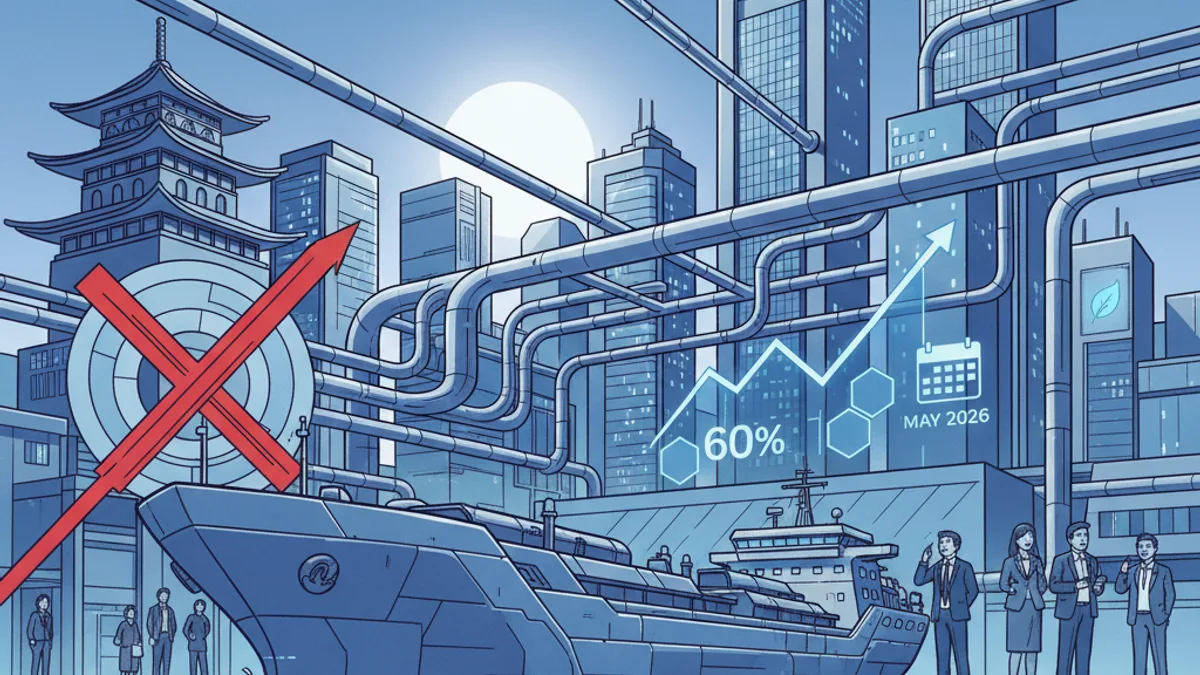
Japan has secured alternative oil supplies bypassing the Strait of Hormuz, reaching 60% of normal levels by May 2026. The government is cautiously considering energy conservation requests for residents and businesses.
Key Points
- • Government secured oil through alternative routes until early 2027 amid Iran tensions.
- • May 2026 oil supplies will reach 60% of previous year's levels.
- • Energy conservation requests under careful consideration, not yet implemented.
- • Businesses should prepare contingency plans for potential conservation campaigns ahead.
Foreign residents in Japan can breathe easier as the government has successfully secured alternative oil supplies to mitigate potential shortages arising from escalating tensions in Iran and the Strait of Hormuz region. According to NHK, officials have confirmed that Japan has secured sufficient crude oil supplies through alternative routes that bypass the Strait of Hormuz, with May 2026 deliveries expected to reach approximately 60% of last year's levels.
The Strait of Hormuz, a critical waterway through which roughly one-fifth of the world's oil passes, has become a focal point of concern as Iranian tensions have intensified. For Japan, which imports nearly all of its energy resources, any disruption to this supply route poses significant economic and social risks. The government's proactive approach to securing alternative supply chains demonstrates its commitment to maintaining energy stability for residents and businesses alike.
According to government sources cited by NHK, officials have been working intensively with oil-producing nations and international partners to establish alternative transportation routes that avoid the potentially volatile Strait of Hormuz. These efforts have resulted in concrete agreements that will ensure oil deliveries continue through the beginning of next year. By May 2026, the government expects to have secured crude oil volumes equivalent to 60% of the previous year's actual imports through these alternative channels.
For expats living in Japan, this development carries important practical implications. While the government has successfully diversified supply routes, the reduced volume compared to typical import levels means that energy conservation may become increasingly important in the coming months. According to reports from Yahoo Japan and Livedoor News, the government is carefully considering whether to issue formal requests for electricity and energy conservation to households and businesses. Officials are taking a cautious approach to such measures, weighing the need for public cooperation against the desire to avoid causing undue alarm or disruption to daily life.
The government's hesitancy to immediately call for conservation efforts suggests that current supply levels, while reduced, remain manageable for the time being. However, foreign residents should remain prepared for potential energy-saving campaigns that could be introduced if the situation changes. Such campaigns might include requests to reduce air conditioning or heating usage, limit unnecessary lighting, and adjust business operating hours.
For businesses operated by or employing foreign residents, the energy situation warrants attention to contingency planning. Companies should review their energy consumption patterns and consider implementing voluntary conservation measures to reduce costs and contribute to national energy security. The Japanese business community has historically responded cooperatively to government energy requests, and foreign-operated businesses would be wise to follow suit.
The government's success in securing alternative oil routes also highlights Japan's diplomatic relationships and its ability to navigate complex international energy markets. This achievement required coordination with multiple oil-producing nations and shipping partners willing to accommodate alternative routing arrangements, which often involve longer transit times and higher costs.
Looking ahead, expats should monitor official government announcements regarding energy policy through local news sources and municipal communications. While immediate shortages appear unlikely given the secured supplies through early 2027, the situation remains fluid and dependent on ongoing geopolitical developments in the Middle East.
The government's measured response demonstrates a balance between ensuring energy security and maintaining normal daily life for Japan's residents. For now, foreign residents can continue their regular activities while remaining mindful of energy consumption and prepared to participate in conservation efforts if formally requested by authorities in the months ahead.