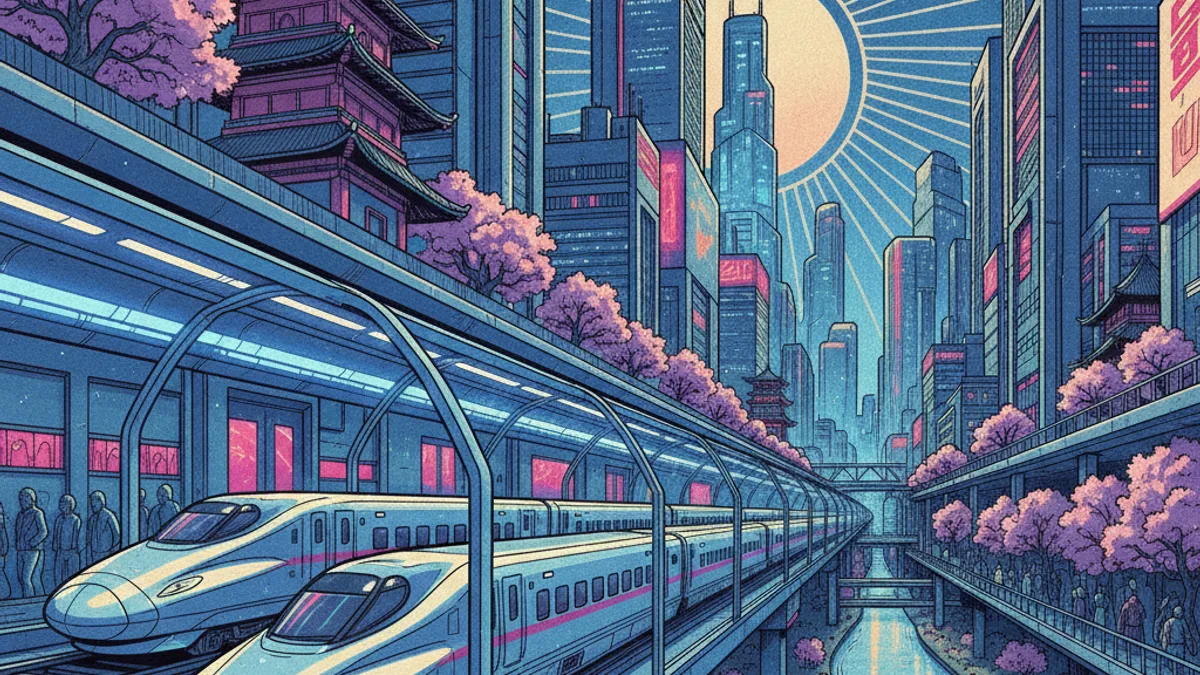
JR Tokai and Shizuoka Sign Deal to Begin Linear Shinkansen Construction
JR Tokai and Shizuoka Prefecture signed an environmental agreement on July 18, 2026, ending years of deadlock and allowing Linear Shinkansen construction to proceed through the prefecture.
AI-written summary of Japanese reports; not human-reviewed; check the linked sources. How we write articles
Key Points
- • Environmental agreement signed July 18, 2026, enables Linear Shinkansen construction in Shizuoka.
- • Tokyo-Nagoya maglev line will reduce travel time to 40 minutes when completed.
- • Original 2027 completion delayed; project now expected to finish in 2030s.
- • Agreement includes comprehensive water monitoring and ecosystem preservation measures throughout construction.
After years of deadlock, JR Tokai and Shizuoka Prefecture signed a landmark environmental conservation agreement on July 18, 2026, clearing the way for construction to begin on the Linear Chuo Shinkansen's route through Shizuoka, according to NHK. This breakthrough marks a significant step forward for Japan's ambitious maglev train project, which has been stalled for years due to environmental concerns.
The "Natural Environment Conservation Agreement" addresses long-standing disputes between the railway operator and the prefecture over potential environmental impacts, particularly concerning water resources in the Southern Alps region. The signing ceremony represents a major milestone for the Linear Chuo Shinkansen project, which aims to connect Tokyo and Nagoya with magnetic levitation technology capable of reaching speeds up to 500 kilometers per hour.
The Linear Chuo Shinkansen project, often described as the next-generation transportation artery for Japan, has faced numerous obstacles since its conception. Shizuoka Prefecture had been the sole holdout among prefectures along the planned route, refusing to permit construction within its borders due to concerns about the project's impact on the Oi River water system and surrounding ecosystems. The river serves as a crucial water source for the region, and local officials had demanded concrete assurances that construction would not diminish water flow or quality.
For foreign residents living in Japan, this development signals progress on what will eventually become a transformative transportation option. When completed, the Linear Shinkansen is expected to reduce travel time between Tokyo and Nagoya to approximately 40 minutes, compared to the current 90 minutes by conventional Shinkansen. The ultimate goal is to extend the line to Osaka, creating a super-fast corridor connecting Japan's three largest metropolitan areas.
The agreement's signing follows extensive negotiations and mediation efforts involving multiple stakeholders. JR Tokai has committed to implementing comprehensive environmental monitoring and mitigation measures throughout the construction process. These commitments include continuous water flow monitoring, ecosystem preservation initiatives, and regular reporting to prefectural authorities.
While this agreement allows construction to proceed in Shizuoka, the overall project timeline remains ambitious. JR Tokai had originally targeted 2027 for the Tokyo-Nagoya segment's completion, but delays related to the Shizuoka impasse and other factors have pushed this timeline back significantly. Industry observers now anticipate completion sometime in the 2030s, though no official revised date has been announced.
For expats considering long-term residence in Japan or those with business interests in the Tokai region, the Linear Shinkansen represents more than just faster travel. The project is expected to stimulate economic development along its route, potentially creating new business opportunities and affecting real estate values in areas near planned stations. The improved connectivity could also influence decisions about where to live and work, as the dramatic reduction in travel time may make it feasible to live in one city while working in another.
The environmental agreement also reflects broader trends in Japanese infrastructure development, where environmental considerations increasingly shape major projects. For foreign professionals working in environmental consulting, engineering, or related fields, such large-scale projects may present career opportunities as Japan continues balancing technological advancement with ecological preservation.
As construction moves forward in Shizuoka, residents and visitors can expect to see increased construction activity in the region. JR Tokai will now proceed with detailed planning and preparation for tunnel excavation through the Southern Alps, one of the most technically challenging aspects of the entire project.
This agreement represents a turning point for Japan's most ambitious transportation project in decades, bringing the vision of maglev travel closer to reality for both Japanese citizens and the foreign community living in Japan.
Sources
This article was written by AI from these Japanese-language reports. Check them before acting on anything here.
- [1] NHK — original report (Japanese)
- [2] Yahoo! Japan News — original report (Japanese)