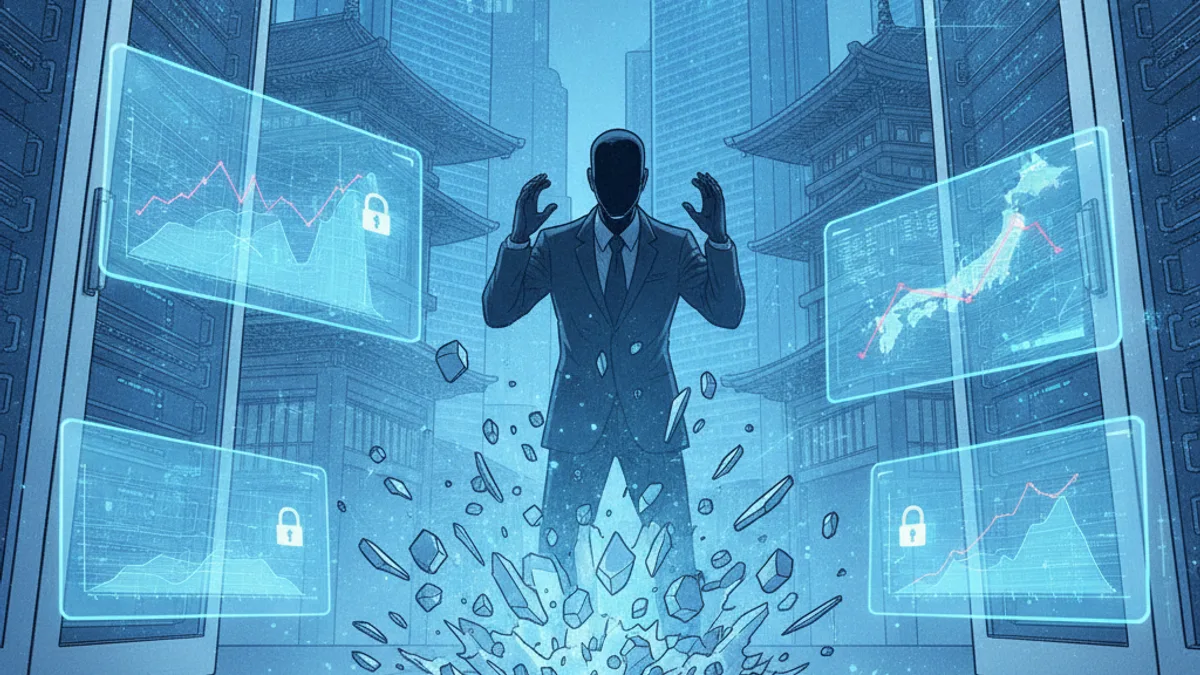
Kyushu Electric Loses 10 Million Customer Records in Major Data Breach
Kyushu Electric's subsidiary lost storage media containing personal data of 10+ million customers across mainland Kyushu. Foreign residents should watch for scams and monitor financial accounts.
Key Points
- • Over 10 million Kyushu electricity customers' names and addresses potentially compromised.
- • Affected residents should monitor accounts and ignore unsolicited requests for information.
- • Scammers may exploit breach through fraudulent calls or emails impersonating officials.
- • Contact Kyushu Electric directly using official channels to verify any communications.
Kyushu Electric Power Transmission and Distribution, a subsidiary of Kyushu Electric Power Company, has disclosed the loss of a storage device containing personal information of over 10 million customers—nearly every electricity user across mainland Kyushu. The announcement, made on June 8, 2026, represents one of Japan's largest utility company data breaches and raises serious concerns for foreign residents living in the affected region.
According to NHK, the lost storage media contains sensitive customer data including names and addresses of electricity users throughout Kyushu's main island. The company has issued a formal apology for the incident, though details about when the device went missing and the circumstances surrounding the loss remain limited in initial reports.
For expats residing in Fukuoka, Kumamoto, Nagasaki, Kagoshima, Oita, Miyazaki, and Saga prefectures, this breach likely affects your personal information if you have an electricity contract in the region. The scale of the data loss is particularly concerning as it encompasses virtually all residential and commercial electricity customers across mainland Kyushu, making it one of the most comprehensive customer data breaches in recent Japanese utility sector history.
The lost device, described as an SSD (solid-state drive) according to Yahoo Japan Business, contained information collected through normal electricity service operations. While the company has not confirmed whether the data was encrypted or password-protected, this detail will be crucial in determining the actual risk to affected customers. Unencrypted data could potentially be accessed if the device falls into the wrong hands, leading to identity theft, targeted scams, or other malicious activities.
Foreign residents should be particularly vigilant in the coming weeks and months. Scammers often exploit data breaches by contacting victims through phone calls or emails, claiming to represent the affected company or government agencies. They may request additional personal information, banking details, or payment for "security services." It's essential to remember that legitimate companies and Japanese government offices will never request sensitive information or payments through unsolicited communications.
Expats should monitor their bank accounts and credit card statements for any unusual activity. While the breach reportedly involved names and addresses rather than financial information, this data can still be used for identity verification in certain contexts or combined with information from other sources. Consider placing fraud alerts with your financial institutions and being extra cautious about any communications referencing your electricity service.
The incident highlights ongoing challenges in Japan's corporate data protection practices, despite the country's Act on the Protection of Personal Information (APPI), which was strengthened in recent years to align more closely with international standards like Europe's GDPR. Utility companies handle vast amounts of customer data, and this breach underscores the importance of robust security protocols for physical storage media.
Kyushu Electric Power Transmission and Distribution will likely face scrutiny from Japan's Personal Information Protection Commission, which has authority to investigate breaches and impose administrative guidance or orders. The company may also face potential legal liability from affected customers, though class-action lawsuits remain relatively uncommon in Japan compared to other countries.
For now, affected residents should remain alert for any suspicious communications, avoid providing personal information in response to unsolicited contacts, and monitor their financial accounts. Expats who are uncertain about communications claiming to be from Kyushu Electric should contact the company directly using official contact information from their electricity bills or the company's verified website, rather than responding to potentially fraudulent messages.
As more details emerge about this significant data breach, foreign residents in Kyushu should stay informed through official company announcements and reputable news sources.