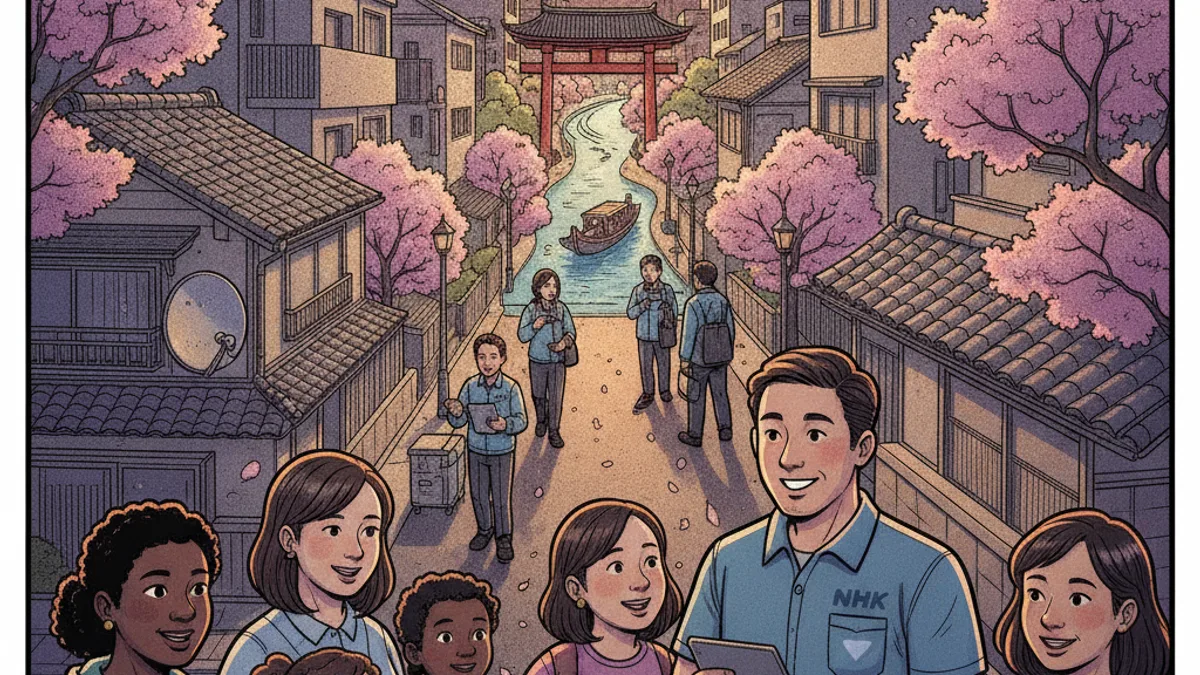
NHK Resumes Door-to-Door Fee Collection via External Contractors
NHK has resumed door-to-door fee collection through external contractors after suspending the practice in 2023. Foreign residents with TV-capable equipment should expect potential visits and understand their legal obligations.
Key Points
- • NHK resumed external contractor door-to-door visits for fee collection in 2026.
- • Households with TV reception equipment must legally pay NHK subscription fees.
- • Monthly fees are 1,225 yen for terrestrial or 2,170 yen for satellite.
- • Representatives must show proper identification; residents can request written information.
Japan's public broadcaster NHK has announced the resumption of door-to-door fee collection visits through external contractors, reversing a policy change implemented in 2023. The decision, reported by multiple Japanese media outlets on September 21, 2026, marks a significant shift in how the broadcaster approaches fee collection from households across Japan, including those of foreign residents.
According to reports from Yahoo Japan Business and Livedoor News, NHK had previously suspended the practice of contracting external companies to conduct door-to-door visits for fee collection purposes in 2023. The broadcaster is now reinstating this system, which will see contracted collection agents visiting homes to encourage subscription sign-ups and collect outstanding fees.
For expats living in Japan, this development carries important practical implications. Under Japanese law, any household with equipment capable of receiving NHK broadcasts—including televisions, certain smartphones, and internet-connected devices with TV tuners—is legally required to pay NHK's monthly subscription fee. This obligation applies regardless of nationality or whether residents actually watch NHK programming.
The resumption of contracted door-to-door collection means foreign residents may soon encounter representatives visiting their homes. These contractors are authorized to request information about television ownership and encourage subscription registration. While the law requires households with reception equipment to contract with NHK and pay fees, the enforcement mechanisms and collection methods have long been subjects of public debate in Japan.
NHK's decision to resume external contractor visits comes after a three-year hiatus during which the broadcaster relied more heavily on other collection methods. The 2023 suspension of door-to-door contractor visits was part of broader discussions about NHK's fee collection practices and public perception of the broadcaster's approach. However, details about what prompted the reversal of this policy have not been extensively disclosed in the available reports.
For foreign residents, understanding their obligations regarding NHK fees is crucial. The monthly fee for terrestrial broadcasting is currently 1,225 yen, while households receiving satellite broadcasts pay 2,170 yen per month. Students living alone and certain other categories may qualify for reduced rates or exemptions, though eligibility criteria apply.
When contractors visit, residents should know they have rights. Representatives should carry proper identification from NHK or the contracted company. Residents are not obligated to allow entry into their homes, and all interactions should remain professional and respectful. If language barriers exist, residents may request information in writing or ask for time to consult with Japanese-speaking friends or colleagues.
Expats who own television equipment capable of receiving broadcasts should be aware that NHK maintains records and may pursue unpaid fees. The broadcaster has increasingly turned to legal channels to collect outstanding payments, with courts generally upholding NHK's right to collect fees from households with reception equipment.
For those without television or reception equipment, clearly communicating this fact to visiting representatives is important. However, residents should note that smartphones and computers with TV tuner functionality may qualify as reception equipment under the law.
The resumption of door-to-door collection through external contractors represents NHK's continued efforts to ensure fee compliance across all households in Japan. Foreign residents should familiarize themselves with their obligations under Japanese broadcasting law and be prepared for potential visits from collection representatives.
As this policy takes effect, expats are encouraged to verify their subscription status if they own qualifying equipment, understand their rights when interacting with collection agents, and seek clarification from official NHK sources if questions arise about their specific circumstances. Maintaining awareness of these obligations helps foreign residents navigate this aspect of life in Japan while remaining compliant with local regulations.