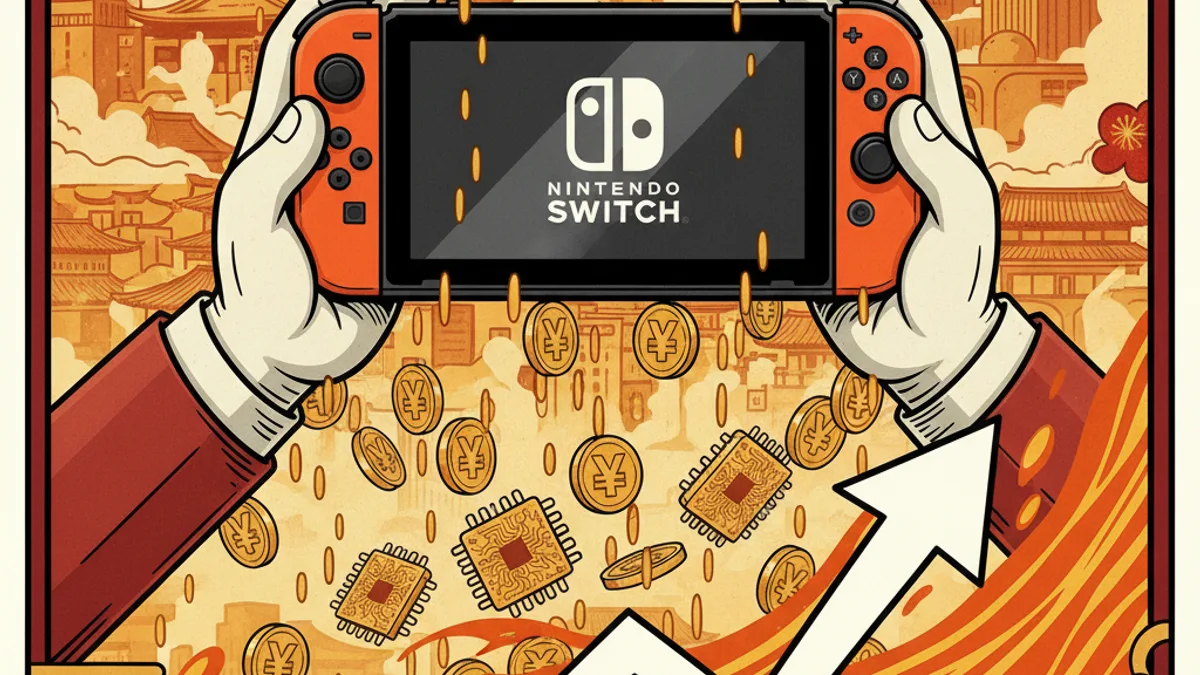
Nintendo Switch 2 Faces ¥10,000 Price Hike Due to Semiconductor Costs
Nintendo announced a ¥10,000 price increase for the Switch 2 in Japan due to rising semiconductor costs. The hike affects the domestic model and comes less than a year after launch.
Key Points
- • Switch 2 domestic model increasing by ¥10,000 due to semiconductor costs.
- • Original Nintendo Switch also facing price adjustments alongside Switch 2.
- • Purchase before implementation to avoid paying higher price for consoles.
- • Semiconductor price surge may trigger broader electronics price increases in Japan.
Nintendo has announced a significant price increase for its Switch 2 console in Japan, marking a rare move for the gaming giant that will impact both new buyers and potentially affect the broader gaming market for foreign residents in the country.
According to NHK, Nintendo will raise the price of the domestic version of the Nintendo Switch 2 by ¥10,000 (approximately $67-70 USD), citing rising semiconductor costs as the primary driver behind the decision. The announcement, made on May 8, 2026, comes less than a year after the Switch 2's initial launch, making this an unusually quick price adjustment for a major gaming console.
The price increase specifically affects memory chips and other semiconductors essential to the console's operation. Global semiconductor shortages and increased manufacturing costs have plagued the electronics industry in recent years, but this marks one of the most visible consumer-facing impacts in Japan's gaming sector. Yahoo Japan described the move as a "difficult decision" for Nintendo, suggesting the company exhausted other cost-cutting measures before resorting to a price hike.
For expats living in Japan, this development carries several practical implications. Those who purchased the Switch 2 at launch have dodged the price increase, but anyone considering buying the console should act quickly if they want to avoid paying the higher price. The timing of when this increase takes effect wasn't specified in the available reports, but Nintendo typically implements such changes within weeks of announcement.
Interestingly, reports indicate that the original Nintendo Switch console will also see price adjustments, though specific details weren't provided in the source materials. This suggests a broader pricing strategy shift across Nintendo's product line, potentially making gaming in Japan more expensive for residents regardless of which console generation they choose.
The semiconductor price surge affecting Nintendo reflects broader economic trends impacting Japan's technology sector. Memory chips, graphics processors, and other components have seen sustained price increases due to supply chain disruptions, increased demand for electronics, and geopolitical factors affecting chip manufacturing. While these issues have gradually improved since the acute shortages of 2021-2022, prices have not returned to pre-pandemic levels.
For foreign residents who may be considering purchasing gaming consoles as gifts for family abroad or for personal use, this price increase highlights the importance of understanding Japan's domestic pricing versus international markets. While Japan often offers competitive electronics pricing, region-specific models and now these price adjustments may affect purchasing decisions.
The announcement also raises questions about future pricing stability for consumer electronics in Japan. If semiconductor costs continue rising or remain elevated, other manufacturers may follow Nintendo's lead with their own price adjustments. This could affect everything from smartphones to computers, potentially impacting expats' technology budgets.
Nintendo's transparency about the reasons behind the price increase—specifically citing semiconductor costs rather than offering vague explanations—provides consumers with context for the decision. However, it offers little comfort to budget-conscious gamers who now face paying significantly more for the same hardware.
For expats in Japan, the key takeaway is to monitor pricing carefully if planning any electronics purchases, as the semiconductor situation remains fluid. Those interested in the Switch 2 should consider purchasing before the price increase takes effect, while those content with the original Switch may find it becomes an even more attractive value proposition if its price remains stable or increases less dramatically.
As Japan's gaming market adjusts to these new economic realities, foreign residents should stay informed about pricing changes and consider timing their purchases strategically to maximize value in an increasingly expensive electronics landscape.