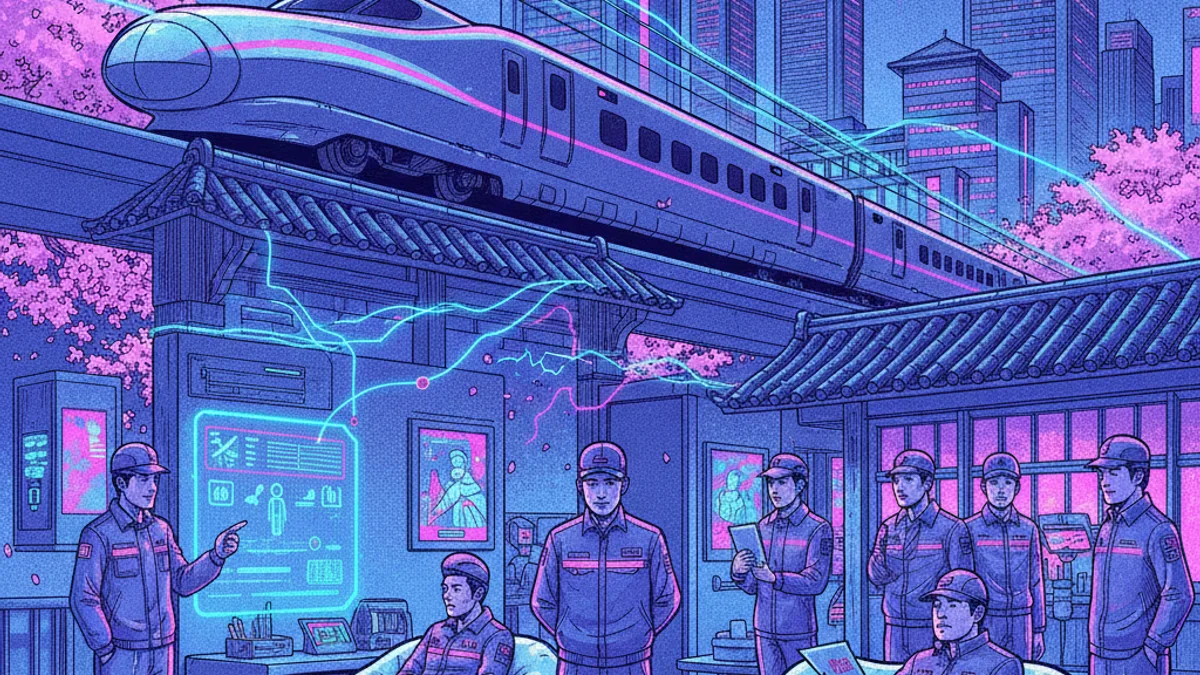
Railway Worker Shortage Drives Better Night Shift Conditions Across Japan
Japan's railway companies are improving night shift conditions and increasing allowances to address severe worker shortages. JR West will cancel services if crew rest is inadequate, while industry-wide facility upgrades aim to retain staff.
Key Points
- • JR West cancels trains when crew rest periods are insufficient, effective July 2026.
- • Railway companies increasing night shift allowances to attract maintenance workers nationwide.
- • Rest facilities being renovated with better sleeping quarters and amenities for overnight crews.
- • Worker shortage creates opportunities for foreign residents with technical and language skills.
Japan's railway industry is implementing sweeping improvements to night shift working conditions as companies struggle to recruit and retain workers for overnight maintenance and operations. The changes, affecting both major operators and regional lines, reflect growing labor shortages in a sector critical to the country's transportation infrastructure.
According to NHK, railway companies across Japan are enhancing facilities and increasing allowances for employees working overnight shifts, particularly those involved in track maintenance and repair work during the limited hours when trains stop running. The improvements come as the industry faces difficulties securing sufficient staff for these essential but demanding positions.
The labor shortage has reached a critical point at some operators. JR West announced in July 2026 that it would cancel train services if crew members do not receive adequate rest periods, according to Yahoo Japan Business. This unprecedented policy underscores how seriously the shortage has impacted operations and reflects the company's commitment to preventing overwork-related accidents.
The working conditions improvements span multiple areas. Railway companies are renovating rest facilities to make overnight stays more comfortable for maintenance crews who must work during the narrow windows between the last train and first train of the day. These upgrades include better sleeping quarters, improved amenities, and enhanced break rooms that allow workers to recover properly between shifts.
Financial incentives are also being enhanced. NHK reports that companies are increasing night shift allowances to make these positions more attractive to potential employees. The additional compensation recognizes both the physical demands of overnight work and the disruption to workers' circadian rhythms and social lives.
For foreign residents working in Japan's railway industry or considering employment in this sector, these changes represent significant improvements to working conditions that have long been challenging. Night shift work in railway maintenance requires physical stamina and technical expertise, but has traditionally offered limited compensation relative to the demands placed on workers.
The industry's response reflects broader labor market pressures in Japan, where an aging population and declining birth rate have created worker shortages across multiple sectors. Railway companies, which operate critical public infrastructure, cannot simply reduce service levels without major economic and social consequences. This necessity is driving genuine improvements in employment conditions rather than superficial changes.
The policy changes also highlight Japan's evolving approach to work-life balance and employee welfare. JR West's willingness to cancel services rather than overwork employees marks a significant shift from traditional practices that often prioritized service continuity above worker health. This approach aligns with recent labor law reforms aimed at preventing karoshi (death from overwork) and promoting sustainable working practices.
For expats employed in railway operations, engineering, or maintenance roles, these improvements may include better facilities at work sites, higher night shift premiums, and clearer policies protecting rest periods. Those considering positions in the industry should inquire about specific improvements their potential employer has implemented and ensure employment contracts clearly specify night shift allowances and rest period guarantees.
The changes also affect passengers indirectly. While improved working conditions should help maintain service quality long-term by retaining skilled workers, passengers may occasionally experience service cancellations when crew rest requirements cannot be met, as JR West's new policy indicates.
As Japan's railway companies compete for limited labor, foreign workers with relevant technical skills and Japanese language ability may find increased opportunities in this sector. However, prospective employees should carefully evaluate whether night shift work aligns with their lifestyle preferences and health considerations, even with improved conditions.
The industry-wide nature of these improvements suggests they represent a permanent shift rather than temporary measures, offering better prospects for sustainable careers in Japan's essential railway sector.