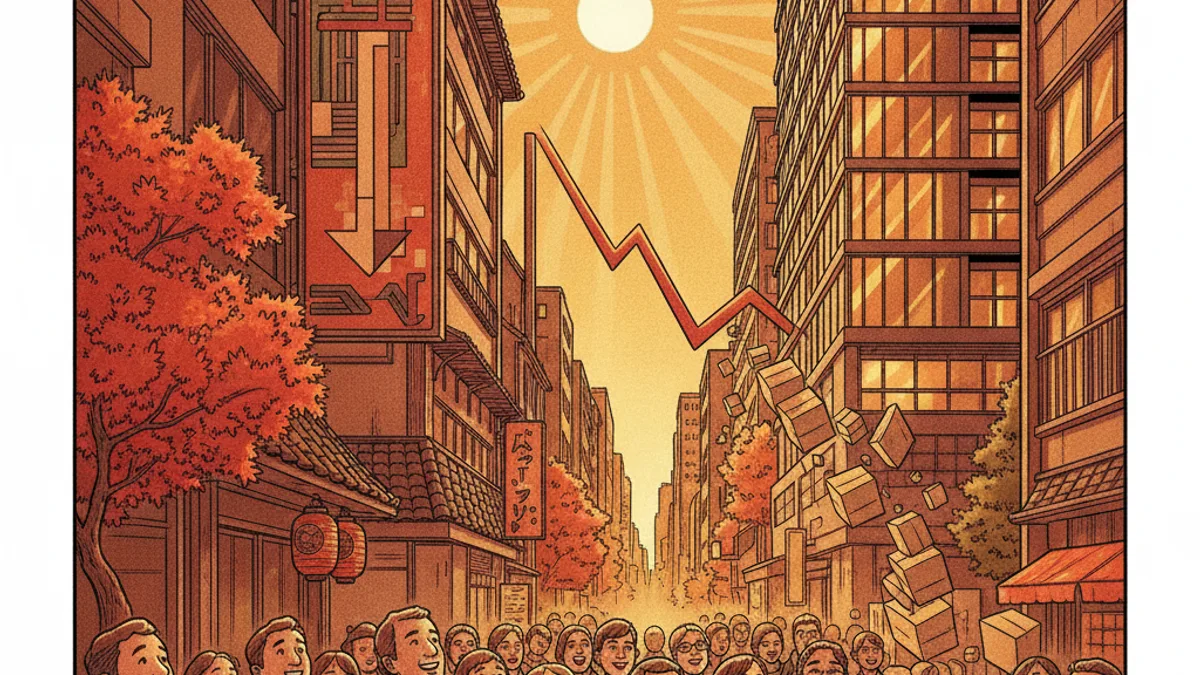
Tokyo Used Condominium Prices Fall for First Time in Over Two Years
Tokyo's used condominium prices fell 0.2% in August to 112 million yen for 70 square meters, the first monthly decline in 28 months, potentially offering new opportunities for expat buyers.
Key Points
- • Tokyo used condo prices dropped 0.2% in August, first decline in 28 months.
- • Average 70-square-meter unit now costs approximately 112 million yen in Tokyo.
- • Foreign residents need permanent residency or stable long-term employment for mortgages.
- • Down payments typically require 20-30% of property value for foreign buyers.
For the first time in over two years, Tokyo's used condominium market has shown signs of cooling, with average prices declining in August 2026. According to NHK, the average price for a 70-square-meter used condominium in Tokyo fell to approximately 112 million yen last month, representing a 0.2% decrease from July. This marks the first month-over-month decline in 28 months, signaling a potential shift in the capital's previously overheated real estate market.
The price drop, while modest, is significant for foreign residents and expats who have watched Tokyo's property market reach unprecedented heights over the past two years. The city's used condominium prices had been on a seemingly unstoppable upward trajectory, pricing many potential buyers out of the market and making homeownership increasingly difficult for both Japanese nationals and foreign residents alike.
For expats considering purchasing property in Tokyo, this development represents the first potential buying opportunity in more than two years. The 112 million yen average price for a 70-square-meter unit—roughly equivalent to a two-bedroom apartment—remains substantially high by international standards, but the reversal of the growth trend could indicate further softening in the months ahead.
Several factors may be contributing to this price adjustment. Japan's real estate market has been experiencing pressure from rising interest rates, as the Bank of Japan has gradually moved away from its ultra-loose monetary policy. Additionally, increased construction of new properties and a growing inventory of used condominiums may be creating more supply in the market, giving buyers greater negotiating power.
For foreign residents with permanent residency or long-term visa status who have been considering property investment, this shift warrants careful attention. While a 0.2% decline is relatively small, it could represent the beginning of a more substantial correction. However, experts caution against expecting dramatic price drops, as Tokyo remains one of Asia's most desirable real estate markets with strong underlying demand.
Expats should be aware that purchasing property in Japan as a foreign resident is legally permissible, though obtaining mortgage financing can be more challenging than for Japanese citizens. Most banks require borrowers to have permanent residency status or be married to a Japanese national, though some institutions offer loans to foreign residents with stable employment and long-term visas. The typical down payment requirement ranges from 20% to 30% of the property value.
The timing of this price decline coincides with broader economic uncertainties in Japan, including concerns about wage growth not keeping pace with living costs and demographic challenges in certain Tokyo neighborhoods. For expats working in Tokyo, these market dynamics could present opportunities, particularly in areas slightly outside the central business districts where prices may soften more noticeably.
Real estate experts recommend that foreign residents interested in purchasing property conduct thorough research on specific neighborhoods and building management conditions. Unlike in some Western countries, Japanese condominiums require monthly management fees and reserve funds for building maintenance, which can add significantly to ownership costs beyond the mortgage payment.
While this marks the first decline in 28 months, it remains to be seen whether this represents a sustained trend or merely a temporary pause in Tokyo's long-term price appreciation. For expats planning to remain in Japan long-term, monitoring market conditions over the next several months will be crucial before making any major purchasing decisions. Those considering buying should consult with real estate professionals familiar with foreign resident transactions and stay informed about mortgage lending conditions, which can change as financial institutions adjust their policies in response to market shifts.