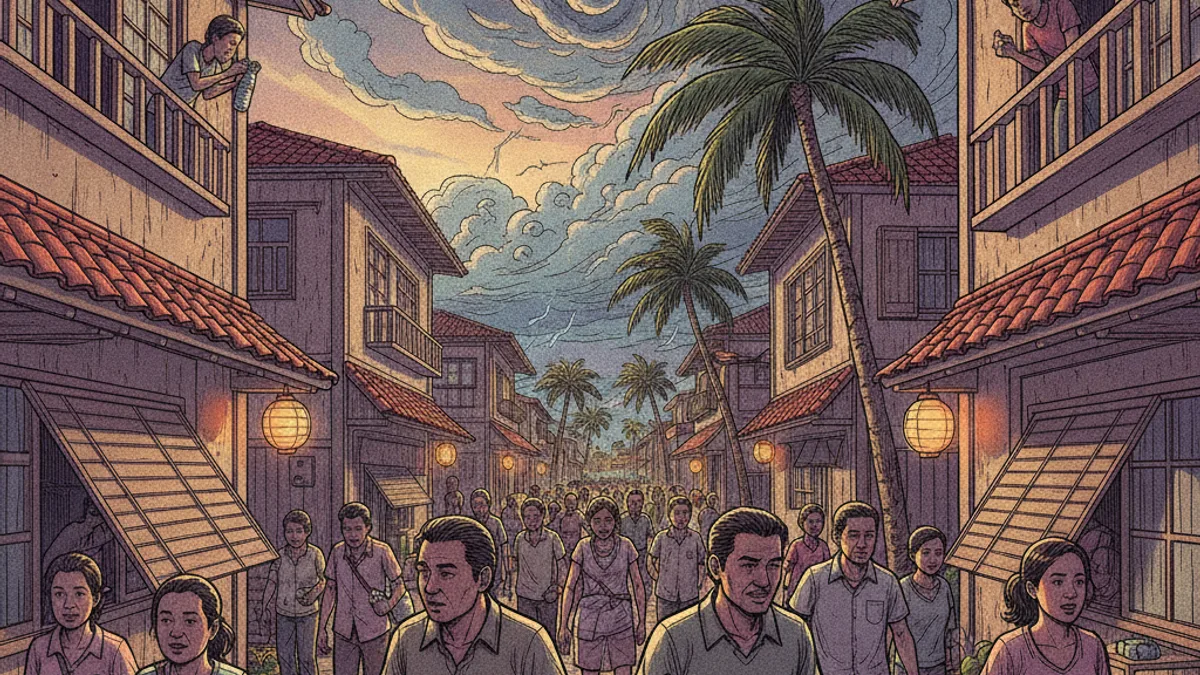
Typhoon No. 9 to Strike Okinawa's Sakishima Islands with Violent Winds
Typhoon No. 9 will strike Okinawa's Sakishima Islands July 10-11 with violent winds capable of collapsing buildings. Residents must prepare immediately with supplies and secure homes before conditions worsen July 9.
AI-written summary of Japanese reports; not human-reviewed; check the linked sources. How we write articles
Key Points
- • Violent winds capable of collapsing buildings expected July 10-11 in Sakishima Islands.
- • Ishigaki Island may face direct hit morning of July 11.
- • Stock three days of supplies and secure outdoor items before July 9.
- • Flights and ferries will be suspended; confirm travel cancellations immediately.
Foreign residents in Okinawa Prefecture should prepare immediately for Typhoon No. 9, which is forecast to approach the Sakishima Islands as a large and extremely powerful storm between July 10 and 11, according to the Japan Meteorological Agency (JMA).
The typhoon is expected to maintain its violent strength as it approaches the island chain, which includes Ishigaki Island, Miyako Island, and surrounding communities. According to NHK reports published July 8, the storm poses a serious threat to the region, with meteorological officials warning that violent winds strong enough to collapse some residential structures are likely.
The Sakishima Islands will experience deteriorating conditions beginning July 9, with winds gradually intensifying throughout the day. However, the most dangerous period will occur from July 10 onward, when the typhoon reaches its closest point to the islands while maintaining its classification as an extremely strong storm system.
For expats living in or visiting the Sakishima Islands, understanding the severity of this forecast is crucial. Japanese meteorological classifications use specific terminology to indicate typhoon strength, and "extremely strong" (非常に強い) represents the second-highest category. When combined with warnings about "violent winds" (猛烈な風) capable of structural damage, authorities are signaling that this is a dangerous weather event requiring serious preparation.
The JMA specifically warns that some residential buildings could collapse under the force of the expected winds. This level of warning is not issued lightly in Japan's typhoon forecasting system. Foreign residents should take this as a clear signal to secure their homes, remove or anchor outdoor items, and consider evacuation if living in vulnerable structures, particularly older wooden buildings or coastal areas prone to storm surge.
Yahoo Japan reports indicate that Ishigaki Island and surrounding areas may face a direct hit on the morning of July 11. Ishigaki, the most populous island in the Sakishima chain with approximately 50,000 residents including a small foreign community, serves as a regional hub. A direct strike would mean the most intense winds and heaviest rainfall would pass directly over populated areas.
Expats should begin preparations immediately, well before conditions deteriorate on July 9. Essential preparations include stocking sufficient food, water, and medications for at least three days, as supply chains may be disrupted. Charge all electronic devices and power banks, as extended power outages are common during major typhoons. Fill bathtubs with water for sanitation purposes if water service is interrupted.
Secure all outdoor items including bicycles, potted plants, laundry poles, and patio furniture, as these become dangerous projectiles in typhoon-force winds. Reinforce windows with tape in an X-pattern or close storm shutters if available. Identify the strongest room in your residence—typically an interior room away from windows—as a shelter location during the peak of the storm.
Foreign residents should also ensure they can access emergency information in languages they understand. NHK World provides English-language typhoon updates, and many municipal governments offer multilingual emergency alerts through apps and websites. Register for your local government's emergency notification system if you haven't already.
Transportation will be significantly affected, with flights and ferry services to and from the Sakishima Islands likely suspended beginning July 10. Anyone planning travel to or from the region should contact airlines and ferry operators immediately to confirm cancellations and rebooking options.
The JMA's early warning, issued July 8, provides residents with adequate time to prepare thoroughly. Authorities emphasize taking preparatory actions early rather than waiting until conditions deteriorate. For expats unfamiliar with typhoon protocols, consulting with Japanese neighbors, building managers, or local government offices can provide valuable guidance on region-specific preparations and evacuation procedures if needed.
Sources
This article was written by AI from these Japanese-language reports. Check them before acting on anything here.
- [1] NHK — original report (Japanese)
- [2] Yahoo! Japan News — original report (Japanese)
- [3] NHK — original report (Japanese)