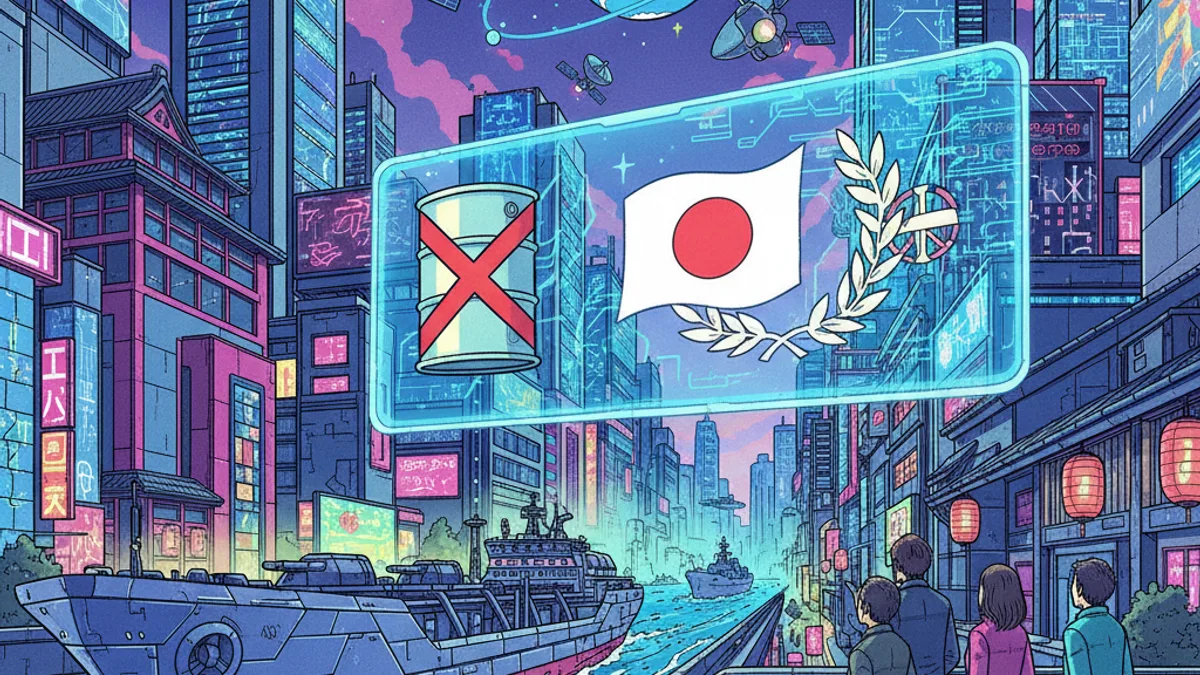
U.S.-Iran Military Conflict: What Foreign Residents in Japan Need to Know
U.S.-Iran military conflict threatens Japan's oil supply through Hormuz Strait blockade. Government maintains 254-day oil reserves and pursues diplomatic de-escalation while supporting evacuations from affected regions.
Key Points
- • Japan holds 254-day oil reserves despite Hormuz Strait blockade affecting supply routes.
- • Government supports evacuation of Japanese nationals from Iran and Israel upon request.
- • Current situation not classified as existential crisis requiring military response measures.
- • Monitor fuel prices and supply chains for potential economic impacts ahead.
Foreign residents in Japan are facing indirect but significant impacts from escalating military operations between the United States, Israel, and Iran, as Japanese government officials work to address potential economic disruptions and security concerns affecting daily life in the archipelago.
According to NHK, U.S. President Trump indicated that military operations against Iran could extend beyond four to five weeks, following joint U.S.-Israeli attacks that reportedly killed Iran's Supreme Leader Ayatollah Khamenei. Iran has retaliated by claiming attacks on American military bases, including reports of three U.S. aircraft downed in Kuwait. The conflict has rapidly intensified into a cycle of escalating strikes across the Middle East region.
For expats living in Japan, the most immediate concern centers on energy security and potential economic impacts. The Strait of Hormuz, a critical waterway through which much of Japan's imported oil passes, has been effectively blockaded according to reports. NHK notes that prolonged disruption to navigation through this strait could deliver a significant blow to Japan's economy, given the country's heavy reliance on Middle Eastern crude oil imports.
However, Japanese officials have moved to reassure residents. Prime Minister Takaichi stated that Japan maintains oil reserves sufficient for 254 days, according to Livedoor News. The government has emphasized its commitment to ensuring stable energy supplies and protecting citizens' daily lives from disruption. Chief Cabinet Secretary Kihara clarified that the current situation does not qualify as an "existential crisis situation" under Japan's security legislation, indicating that immediate military involvement is not under consideration.
The Japanese government has launched a multi-pronged response to the crisis. Foreign Minister Motegi has held separate meetings with both the Israeli and Iranian ambassadors in Tokyo, expressing serious concern about the deteriorating situation, according to NHK. He specifically urged Iran's ambassador to cease actions destabilizing the region, including attacks on neighboring countries. Prime Minister Takaichi has pledged to pursue diplomatic efforts in coordination with the international community to achieve early de-escalation.
For Japanese nationals and potentially foreign residents currently in Iran or Israel, the Ministry of Foreign Affairs has announced plans to support evacuation from these countries. The government has stated it will ensure comprehensive protection for Japanese citizens in the affected regions and surrounding countries, with evacuation assistance available for those who wish to leave.
The Liberal Democratic Party has also weighed in, with Policy Research Council Chairman Kobayashi emphasizing that Middle Eastern stability directly impacts Japan's national security and citizens' daily lives. The party held joint meetings urging the government to intensify diplomatic efforts toward calming the situation.
Government agencies and private companies are closely monitoring developments and market reactions, particularly regarding energy prices and supply chains. The situation remains fluid, with officials watching for impacts that could emerge when markets reopen following the weekend.
While Japan remains geographically distant from the conflict zone, the interconnected nature of global energy markets and supply chains means expats should stay informed about potential secondary effects. These could include fluctuations in fuel prices, possible impacts on transportation costs, and broader economic ripple effects if the conflict persists.
Expats are advised to monitor official government communications and trusted news sources for updates. While daily life in Japan continues normally, understanding these geopolitical developments helps residents contextualize potential economic changes in the coming weeks. The Japanese government's substantial oil reserves provide a buffer against immediate disruption, but the situation's evolution will determine longer-term impacts on prices and availability of petroleum-based products.
As diplomatic efforts continue, foreign residents should remain aware that Japan's economic stability and energy security remain closely tied to Middle Eastern developments, even as the government works to mitigate direct impacts on daily life.