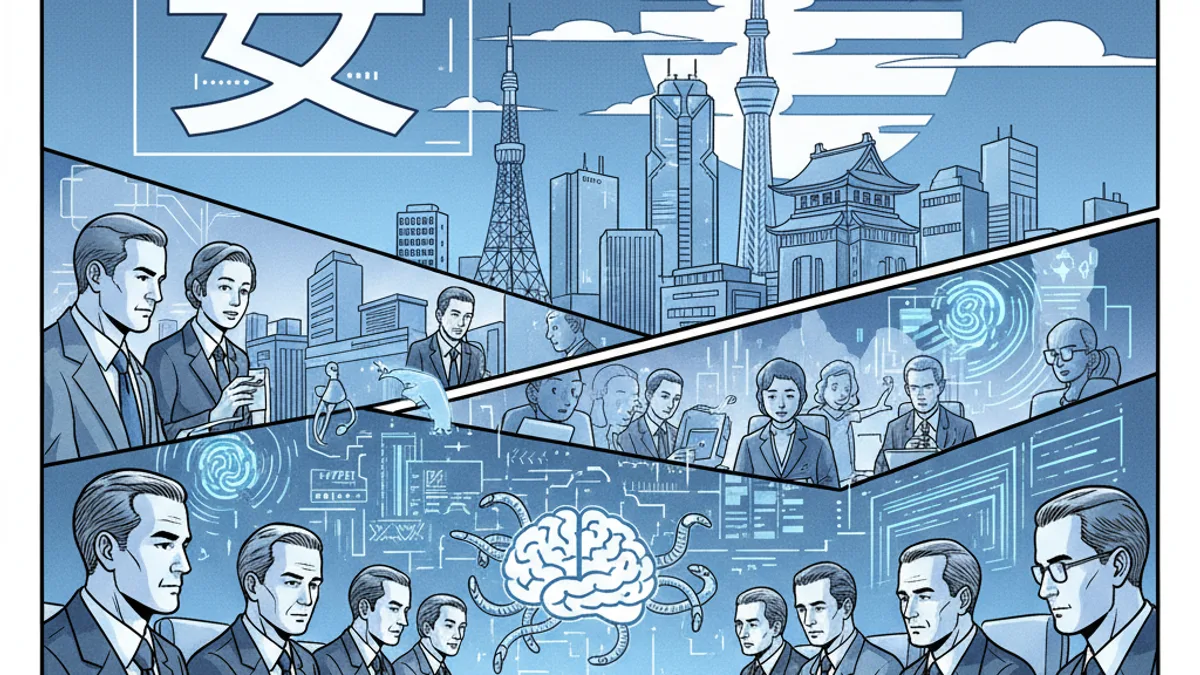
G7 Finance Ministers Target AI Security Risks Amid Financial Concerns
G7 finance ministers met in Paris to address AI security threats, particularly the Claude Mythos model. Japan's government is urging companies to detect vulnerabilities early as security firms face surging inquiries.
Key Points
- • G7 nations developing concrete AI security measures for June 2026 summit.
- • Japanese government urging software companies to detect system vulnerabilities early.
- • Tokyo security firms receiving surge of corporate inquiries about AI threats.
- • Advanced AI models pose cyberattack risks to financial systems and infrastructure.
Finance ministers and central bank governors from the Group of Seven nations convened in Paris this week to address mounting concerns over advanced artificial intelligence models that could threaten global financial systems, with Japan playing a key role in shaping the international response.
The meeting, held on May 18, 2026, focused significantly on a newly developed AI model called "Claude Mythos," which has raised alarm bells among financial regulators worldwide due to its unprecedented capabilities and potential for misuse in cyberattacks against critical infrastructure, according to NHK.
For foreign residents and business professionals in Japan, these developments signal an evolving security landscape that could affect everything from banking services to corporate IT systems. The G7 nations agreed to share countermeasures and develop concrete action plans ahead of the June summit, recognizing that sophisticated AI tools pose novel risks to financial stability.
The Claude Mythos AI model has generated particular concern due to its exceptionally high performance capabilities. Security experts warn that if exploited by malicious actors, such advanced AI could be weaponized to conduct sophisticated cyberattacks on financial institutions, payment systems, and other essential infrastructure that foreign residents in Japan rely upon daily.
In response to these threats, the Japanese government has already begun taking proactive measures. According to NHK, authorities are calling on software development and distribution companies to prioritize early detection of system vulnerabilities. This initiative aims to identify and patch security weaknesses before they can be exploited using AI-enhanced attack methods.
The urgency of the situation is evident in the response from Japan's business community. Tokyo-based security firms report receiving a surge of inquiries from concerned companies seeking information about potential impacts and appropriate countermeasures related to Claude Mythos. This flood of questions reflects widespread uncertainty about how organizations should protect themselves against AI-powered threats.
For expats working in Japan's technology sector or managing IT systems, understanding these developments is crucial. Companies operating in Japan may soon face new compliance requirements or security protocols designed to guard against AI-facilitated attacks. Foreign business owners and managers should anticipate potential requests from clients or partners regarding their cybersecurity posture and AI risk mitigation strategies.
The financial sector appears particularly vulnerable. The G7 discussions emphasized that modern AI models could potentially manipulate markets, breach financial data systems, or disrupt payment networks with unprecedented speed and sophistication. For expats managing investments, conducting international transfers, or running businesses with financial operations in Japan, these risks underscore the importance of working with institutions that maintain robust cybersecurity measures.
The international coordination demonstrated at the Paris meeting suggests that responses to AI security threats will likely be harmonized across G7 nations, including Japan. This means security standards, reporting requirements, and protective measures implemented in Japan will probably align with those in other major economies, potentially affecting multinational companies and their foreign employees.
Japan's proactive stance on addressing AI security vulnerabilities reflects the country's broader commitment to maintaining technological leadership while ensuring safety. The government's call for early vulnerability detection indicates that Japanese regulators are taking a preventive rather than reactive approach to these emerging threats.
As the G7 works toward concrete proposals for the June summit, foreign residents in Japan should monitor developments closely. While the immediate impact on daily life may be limited, the long-term implications for digital security, financial services, and business operations could be substantial. Companies employing foreign workers may introduce new security training programs or update their IT policies in response to government guidance.
The convergence of advanced AI capabilities and financial system vulnerabilities represents a defining challenge for the digital age, and Japan's position within the G7 response framework will shape how these risks are managed domestically in the months ahead.