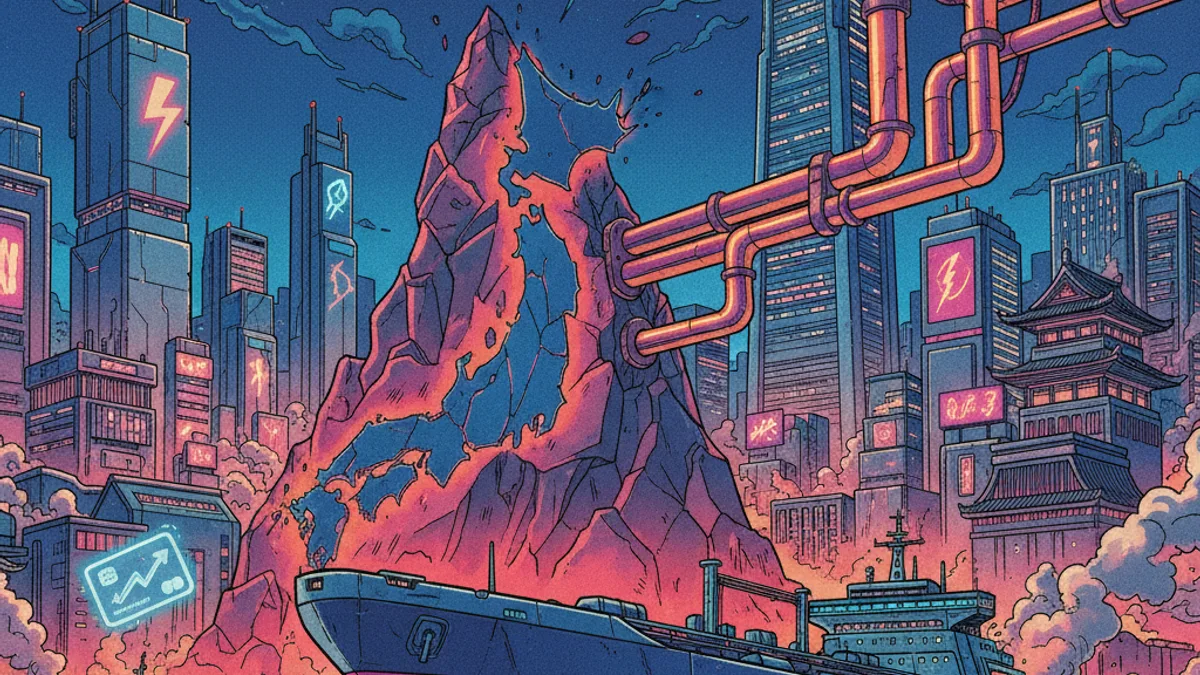
Japan Faces Energy Supply Challenges as Iran Crisis Disrupts Fuel Routes
Japan faces energy supply concerns as Iran crisis blocks Hormuz Strait. Alternative fuel routes begin May, but electricity providers suspend new contracts and ferry services introduce surcharges amid rising costs.
Key Points
- • Alternative crude oil supplies expected to arrive from May 2026 onward.
- • Some electricity providers temporarily halting new high-voltage corporate contracts due to costs.
- • Ferry services introducing fuel surcharges and reducing frequencies amid supply constraints.
- • Summer electricity supply adequate if demand stays normal through early June.
Foreign residents in Japan are beginning to see the tangible effects of the ongoing Iran crisis as the country grapples with significant energy supply challenges following the effective blockade of the Strait of Hormuz. The situation is creating ripple effects across multiple sectors, from electricity supply to transportation, that may impact daily life for expats living in Japan.
According to NHK, concerns about securing fuel for power generation have prompted Japanese authorities to begin monitoring electricity supply and demand projections ahead of the summer season, when energy consumption typically peaks. The assessment, which covers the period through early June, indicates that if demand remains at average levels, there should be no immediate risk of supply shortages. However, the situation remains fluid as Japan works to secure alternative fuel sources.
In a significant development, a Mitsui O.S.K. Lines LNG carrier successfully passed through the Strait of Hormuz on April 3rd, becoming the first Japan-related vessel to exit the Persian Gulf since military operations began in the region, NHK reported. The vessel had been stranded inside the Persian Gulf due to the de facto blockade of this critical waterway, through which Japan has historically imported a substantial portion of its energy resources.
Prime Minister Takaichi has responded to the crisis by instructing Economy Minister Akazawa and Health and Welfare Minister Ueno to ensure the stable procurement of petroleum products and other essential materials. The Ministry of Economy, Trade and Industry has announced that crude oil procured through alternative routes is expected to begin arriving in Japan in earnest starting in May, providing some relief to the supply concerns.
However, the immediate impact is already being felt across various industries. Some electricity providers serving corporate clients with high-voltage power have temporarily suspended acceptance of new contracts due to soaring fuel prices caused by the Iran situation, according to NHK. This development could affect businesses, including those operated by or employing foreign residents.
The transportation sector is experiencing particular strain. Ferry companies unable to secure adequate fuel supplies have begun reducing service frequencies, prompting Transport Minister Kaneko to pledge efforts to resolve distribution bottlenecks and ensure fuel reaches operators. In Hokkaido, ferry services connecting Wakkanai with Rishiri and Rebun islands have introduced fuel surcharges as of April 1st, with additional fees contingent on continued crude oil price increases.
Members of the ruling Liberal Democratic Party have convened joint meetings to address the crisis, with lawmakers emphasizing the need for stable fuel supplies and better public communication about the situation. The government's response reflects the seriousness with which Japanese authorities are treating potential disruptions to the country's energy security.
For expats living in Japan, the situation warrants attention on several fronts. While immediate electricity shortages appear unlikely for average household consumption, the summer months could bring tighter supply conditions if the crisis persists. Those operating businesses or working for companies may encounter challenges related to energy costs and availability, particularly in energy-intensive industries.
Transportation costs are likely to increase as fuel surcharges become more common across ferry services and potentially other transport modes. Residents planning travel, particularly to more remote areas served by ferry, should budget for higher fares and be prepared for potential service reductions.
The Japanese government's proactive approach, including diversifying supply routes and closely monitoring the situation, suggests authorities are working to minimize disruption to daily life. However, the crisis underscores Japan's vulnerability to Middle Eastern energy supply disruptions and the ongoing challenges of maintaining stable energy supplies for the world's third-largest economy. Expats should stay informed through official government channels and be prepared for potential adjustments to energy consumption during peak summer months.