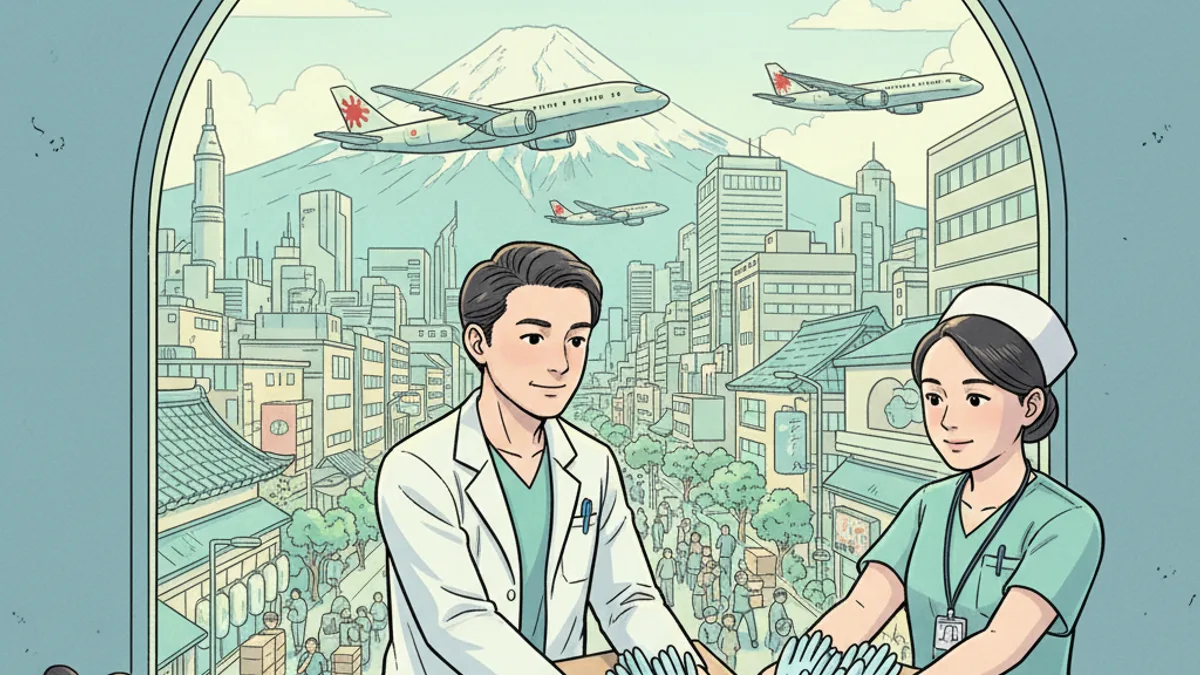
Japan to Release 50 Million Medical Gloves Amid Middle East Supply Concerns
Japan will release 50 million medical gloves from national stockpiles in May 2026 due to Middle East supply concerns. Some hospitals already face price increases, though current supplies remain adequate.
Key Points
- • Government releasing 50 million stockpiled medical gloves to hospitals from May 2026.
- • Some hospitals already receiving manufacturer price increase notifications for medical supplies.
- • Current medical supply levels adequate despite Middle East petroleum supply concerns.
- • Healthcare services for expats unlikely to face immediate disruptions from supply issues.
Prime Minister Takaichi announced on April 16, 2026, that the Japanese government will release 50 million medical gloves from its national stockpile starting in May, according to NHK. The decision comes in response to growing concerns about global supply chain disruptions stemming from escalating tensions in the Middle East, particularly involving Iran.
The announcement was made during a cabinet meeting focused on Middle East affairs, where government ministers discussed the potential impact of regional instability on Japan's medical supply chains. The gloves, which were originally stockpiled as part of Japan's pandemic preparedness measures, will be distributed directly to medical institutions across the country beginning next month.
According to NHK, the Japan Association of Public Hospitals has reported that while medical facilities currently maintain adequate supplies of gloves and other petroleum-based medical materials for immediate needs, some hospitals have already received price increase notifications from manufacturers. This early warning signal prompted the government's proactive response to prevent potential shortages and price gouging in the healthcare sector.
Medical gloves, along with many other disposable medical supplies, are manufactured using petroleum-derived materials. The ongoing situation in Iran and broader Middle East instability has raised concerns about oil supply disruptions, which could cascade into higher production costs for these essential medical items. Japan, which imports the vast majority of its petroleum products, is particularly vulnerable to such supply chain shocks.
For foreign residents in Japan, this development highlights the government's commitment to maintaining stable healthcare supply chains despite global uncertainties. The release of stockpiled materials demonstrates a precautionary approach aimed at preventing the kind of medical supply shortages that characterized the early stages of the COVID-19 pandemic.
The 50 million gloves represent a significant portion of Japan's strategic medical reserves, accumulated following lessons learned from previous public health emergencies. By releasing these supplies now, the government aims to stabilize prices and ensure that hospitals and clinics can continue providing care without interruption or increased costs that might be passed on to patients.
Healthcare experts note that medical gloves are among the most frequently used disposable items in Japanese medical facilities, with millions consumed daily across hospitals, clinics, and care facilities nationwide. Any sustained price increase or supply disruption could significantly impact healthcare delivery and costs.
The Japan Association of Public Hospitals, representing public medical institutions across the country, has been monitoring the situation closely. While the organization confirmed that immediate supplies remain adequate, the price increase warnings from manufacturers suggest that market pressures are already beginning to materialize. The government's stockpile release is intended to counteract these pressures before they affect patient care.
For expats using Japan's healthcare system, this situation is unlikely to cause immediate disruptions to medical services. However, it serves as a reminder of how international events can affect local healthcare infrastructure. The government's rapid response suggests that authorities are closely monitoring potential supply chain vulnerabilities and are prepared to intervene to protect healthcare access.
This marks one of the first major releases from Japan's pandemic preparedness stockpiles since their establishment and expansion during the COVID-19 crisis. The decision reflects a strategic shift toward using these reserves proactively to stabilize markets rather than waiting for actual shortages to develop.
As the situation in the Middle East continues to evolve, the Japanese government has indicated it will continue monitoring medical supply chains and is prepared to take additional measures if necessary. Foreign residents can expect that essential medical services will remain available, though some healthcare facilities may eventually adjust pricing if global supply pressures persist beyond the government's stockpile intervention period.