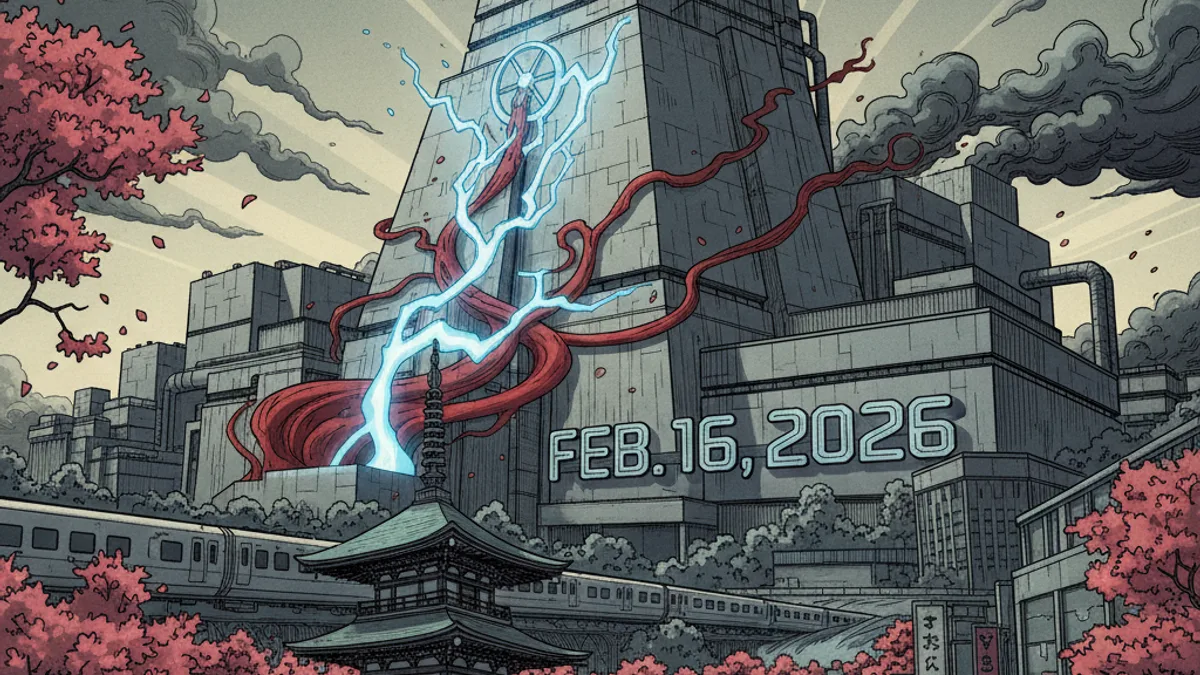
Kashiwazaki-Kariwa Nuclear Plant Resumes Power Generation After 14 Years
TEPCO resumed power generation at Kashiwazaki-Kariwa Nuclear Plant Unit 6 on February 16, 2026, after 14 years. The reactor will enter commercial operation on March 18 if inspections proceed smoothly.
Key Points
- • Unit 6 began full power generation February 16, supplying Tokyo region electricity.
- • Commercial operations scheduled for March 18, 2026, pending successful inspections.
- • Nuclear restart may influence electricity pricing and grid stability long-term.
- • No immediate action required for Tokyo-area residents; electricity supply continues normally.
Tokyo Electric Power Company (TEPCO) began full-scale power generation and transmission from Unit 6 of the Kashiwazaki-Kariwa Nuclear Power Plant on February 16, 2026, marking the first time electricity from this facility has flowed to the capital region in 14 years, according to NHK.
The milestone represents a significant development in Japan's energy policy and has direct implications for electricity supply and pricing across the Tokyo metropolitan area, where many foreign residents live and work.
The restart process began in the early morning hours of February 16, when TEPCO initiated test power generation at approximately 3:00 AM, according to NHK reports. Following successful testing, the company transitioned to full-scale generation and transmission at 10:00 PM the same evening. The electricity produced is now being supplied to the greater Tokyo region and surrounding areas.
Unit 6 is currently undergoing inspections as part of the restart process, with commercial operations scheduled to begin on March 18, 2026, if inspections proceed smoothly, NHK reported. This timeline gives residents approximately one month before the reactor enters regular commercial service.
The Kashiwazaki-Kariwa facility, located in Niigata Prefecture on Japan's western coast, is the world's largest nuclear power plant by generating capacity. Unit 6 has been offline since the aftermath of the 2011 Fukushima disaster, which led to the shutdown of nuclear reactors nationwide and triggered extensive safety reviews and regulatory reforms.
For foreign residents in Japan, this restart carries several practical implications. First, the addition of nuclear power to the energy mix is expected to contribute to grid stability in the Tokyo area. Japan has faced periodic concerns about electricity supply adequacy, particularly during extreme weather conditions when demand spikes.
Second, the restart may influence electricity pricing over the medium to long term. Japan's heavy reliance on imported fossil fuels following the nuclear shutdowns contributed to higher electricity costs throughout the 2010s and early 2020s. While immediate price changes are unlikely, the diversification of energy sources could affect future rate structures.
Third, the development reflects ongoing shifts in Japan's energy policy that affect environmental and sustainability considerations. For expats working in or concerned about climate policy, renewable energy, or corporate sustainability initiatives, understanding Japan's energy composition remains relevant for professional and personal decision-making.
The restart has not been without controversy. Local communities in Niigata Prefecture have expressed mixed feelings about the resumption of operations, and safety concerns remain a sensitive topic throughout Japan, particularly among those who experienced the 2011 disaster. TEPCO has implemented enhanced safety measures and undergone rigorous inspections by the Nuclear Regulation Authority before receiving approval to restart operations.
For expats living in Tokyo and surrounding prefectures, no immediate action is required regarding the restart. Electricity supply will continue uninterrupted, and utility services remain unchanged. However, those interested in their electricity sources may wish to review their power company's energy mix, as Japan's liberalized electricity market allows consumers to choose providers with different generation portfolios.
The restart of Kashiwazaki-Kariwa Unit 6 represents a significant moment in Japan's post-Fukushima energy trajectory. As the country balances energy security, economic considerations, and safety concerns, developments at major facilities like Kashiwazaki-Kariwa will continue to shape the electricity landscape for all residents, foreign and domestic alike. Expats should stay informed about energy policy developments, as they may affect household costs and broader economic conditions in the coming years.