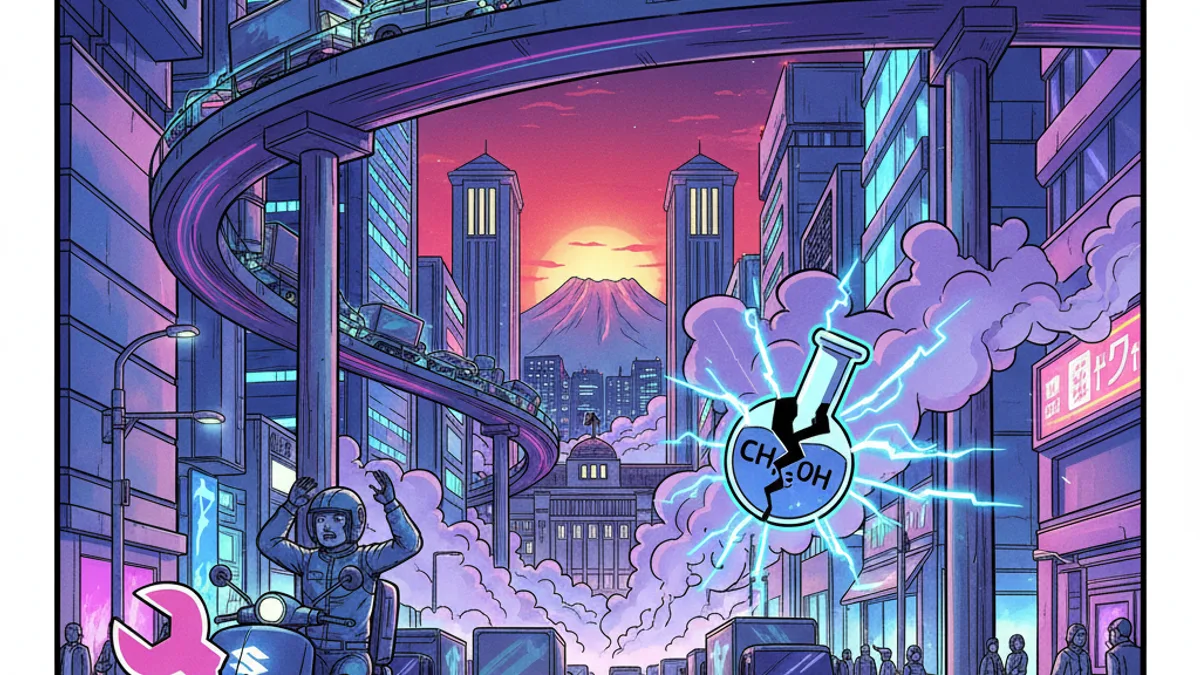
Middle East Crisis Disrupts Supply Chains: Oil Changes, Methanol, Deliveries Affected
Middle East tensions are disrupting supply chains in Japan, causing Suzuki oil change delays, methanol shortages affecting municipal services in Kagoshima, and reduced retail delivery frequencies nationwide.
Key Points
- • Suzuki dealerships experiencing oil change delays; contact dealers before scheduling service appointments.
- • Tarumizu City faced methanol procurement difficulties affecting sewage treatment facility operations.
- • Major retailers reducing delivery frequencies to control costs without raising consumer prices.
- • Stock up on essentials when available as restocking may occur less frequently.
Foreign residents across Japan are beginning to feel the ripple effects of ongoing Middle East tensions as supply chain disruptions impact everyday services and products. From delayed vehicle maintenance to potential municipal service interruptions, the crisis is creating tangible challenges for daily life in Japan.
According to reports from Yahoo Japan Business and Livedoor News published on May 25, 2026, Suzuki dealerships are experiencing delays in oil change services at some locations due to Middle East-related supply chain issues. While the reports don't specify which regions are most affected or the expected duration of these delays, the situation highlights how geopolitical instability can directly impact routine vehicle maintenance for Japan's drivers.
For expats who own Suzuki vehicles, this means potential wait times for standard oil changes may be longer than usual. It's advisable to contact your local Suzuki dealership before scheduling service appointments to confirm product availability and expected wait times. Consider planning ahead for routine maintenance rather than waiting until oil changes are urgently needed.
Beyond automotive services, the crisis is affecting municipal operations in unexpected ways. NHK reported on May 25 that Tarumizu City in Kagoshima Prefecture failed to secure methanol supplies through its regular bidding process due to Middle East-related disruptions. Methanol is essential for the city's sewage treatment facilities, making this shortage a critical infrastructure concern.
City officials were forced to use discretionary contracts to secure the minimum necessary quantities, according to NHK. While Tarumizu successfully obtained enough methanol for immediate needs, the situation demonstrates how supply chain vulnerabilities can threaten essential municipal services. For residents in affected areas, this could potentially impact waste management services if shortages persist, though no immediate service disruptions have been reported.
The retail sector is also adapting to sustained high fuel prices resulting from Middle East instability. NHK reported on May 24 that major retail companies are reducing delivery frequencies to stores as a cost-control measure. This strategy aims to minimize logistics expenses without passing additional costs onto consumers through price increases.
For expats shopping at supermarkets, convenience stores, and other retail outlets, this could mean occasional stock variations or temporary unavailability of certain products. While retailers are working to maintain inventory levels despite fewer deliveries, shoppers may notice that restocking happens less frequently. It may be wise to stock up on essential items when available rather than assuming daily restocking of all products.
These supply chain challenges reflect broader economic pressures facing Japan as global fuel prices remain elevated. The Middle East crisis has created sustained uncertainty in energy markets, forcing businesses and government agencies to adapt their operations. Japan's heavy reliance on imported petroleum products makes it particularly vulnerable to disruptions in Middle Eastern oil production and shipping routes.
Experts suggest these disruptions could persist as long as Middle East tensions continue. Foreign residents should prepare for potential ongoing impacts across various sectors beyond those currently reported. Monitoring local news and staying in contact with service providers can help anticipate and manage disruptions.
For expats living in Japan, the practical implications are clear: plan ahead for vehicle maintenance, be flexible with shopping expectations, and stay informed about local service disruptions. While Japan's robust infrastructure and efficient supply chains typically ensure smooth daily operations, the current situation serves as a reminder of how international events can affect everyday life.
As the situation develops, affected businesses and municipalities will likely continue adapting their operations. Foreign residents should remain patient with service delays and consider adjusting consumption patterns to accommodate the changing supply chain landscape.
Sources
This article was written by AI from these Japanese-language reports. Check them before acting on anything here.
- [1] Yahoo! Japan News — original report (Japanese)
- [2] Livedoor News — original report (Japanese)
- [3] NHK — original report (Japanese)
- [4] NHK — original report (Japanese)
AI-written summary of Japanese reports; not human-reviewed; check the linked sources. How we write articles