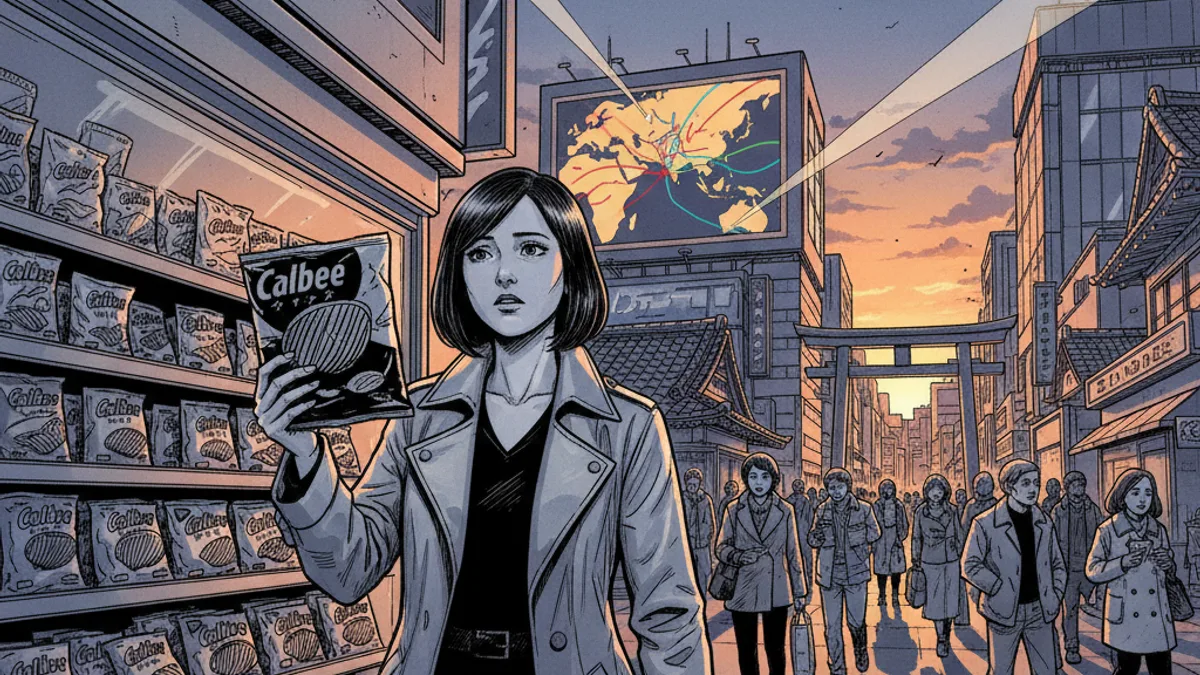
Middle East Crisis Forces Calbee to Switch to Black-and-White Packaging
Calbee is switching some product packaging to black-and-white designs due to Middle East crisis disrupting ink and naphtha supplies, marking a visible impact of geopolitical tensions on Japanese consumer goods.
Key Points
- • Calbee changing potato chip packaging to black-and-white due to supply disruptions.
- • Middle East crisis affecting naphtha imports used in packaging inks and materials.
- • Changes signal broader supply chain vulnerabilities in Japan's import-dependent economy.
- • Other manufacturers may follow with similar adjustments to products and packaging.
Foreign residents in Japan may soon notice a dramatic change on supermarket shelves as Calbee, one of the country's largest snack manufacturers, shifts to black-and-white packaging for some of its most popular products due to supply chain disruptions stemming from the Middle East crisis.
According to NHK, Calbee has notified its business partners that it will change the packaging design of its flagship potato chips and other products to use only two colors—black and white—due to unstable procurement of inks and other packaging materials caused by the ongoing Middle East situation. The announcement, made on May 11, 2026, marks one of the most visible impacts of geopolitical tensions on everyday consumer products in Japan.
The connection between Middle East instability and Japanese snack packaging lies in the complex global supply chain for petrochemical products. Packaging inks, along with the plastic films used in food packaging, are derived from naphtha, a petroleum product that Japan imports heavily from Middle Eastern countries. When regional conflicts disrupt oil production and shipping routes, the ripple effects extend far beyond fuel prices to affect manufacturing materials across multiple industries.
For expats living in Japan, this development serves as a tangible reminder of how geopolitical events can directly impact daily life, even in seemingly unrelated ways. While the change is primarily aesthetic, it reflects deeper concerns about supply chain resilience that could affect various consumer goods in the coming months.
Calbee's decision to preemptively switch to a simplified two-color design demonstrates the severity of procurement concerns facing Japanese manufacturers. Rather than risk production stoppages or inconsistent product availability, the company has opted for a design that requires fewer specialized materials. This approach allows Calbee to maintain production levels and ensure products remain on shelves, even if they look markedly different from what consumers have come to expect.
The packaging change affects some of Calbee's most recognizable products, including its popular potato chip varieties that typically feature colorful, eye-catching designs. The new black-and-white aesthetic will be a stark departure from the vibrant packaging that has characterized Japanese snack foods for decades. However, the company appears to be prioritizing supply security over brand aesthetics in response to the uncertain global situation.
This situation highlights broader vulnerabilities in Japan's import-dependent economy. As an island nation with limited domestic petroleum resources, Japan relies heavily on stable international shipping routes and relationships with oil-producing nations. The current Middle East crisis has evidently created enough uncertainty that major manufacturers are taking proactive measures to adjust their operations.
For foreign residents, the practical implications extend beyond noticing different packaging at the convenience store. This development may signal the beginning of broader supply chain adjustments across various sectors. Industries ranging from automotive manufacturing to electronics production also depend on petrochemical derivatives, and similar disruptions could affect product availability, prices, or specifications in other categories.
Expats should be aware that while Calbee's packaging change is currently limited to certain products, the underlying supply chain pressures could lead to similar adjustments by other manufacturers. Monitoring announcements from major Japanese companies can provide early warning of potential shortages or changes to familiar products.
The situation also underscores the interconnected nature of global trade and how events in distant regions can have immediate, visible impacts on daily life in Japan. As the Middle East situation continues to evolve, foreign residents should stay informed about potential supply chain disruptions and be prepared for possible changes to product availability or pricing across various consumer categories in the months ahead.