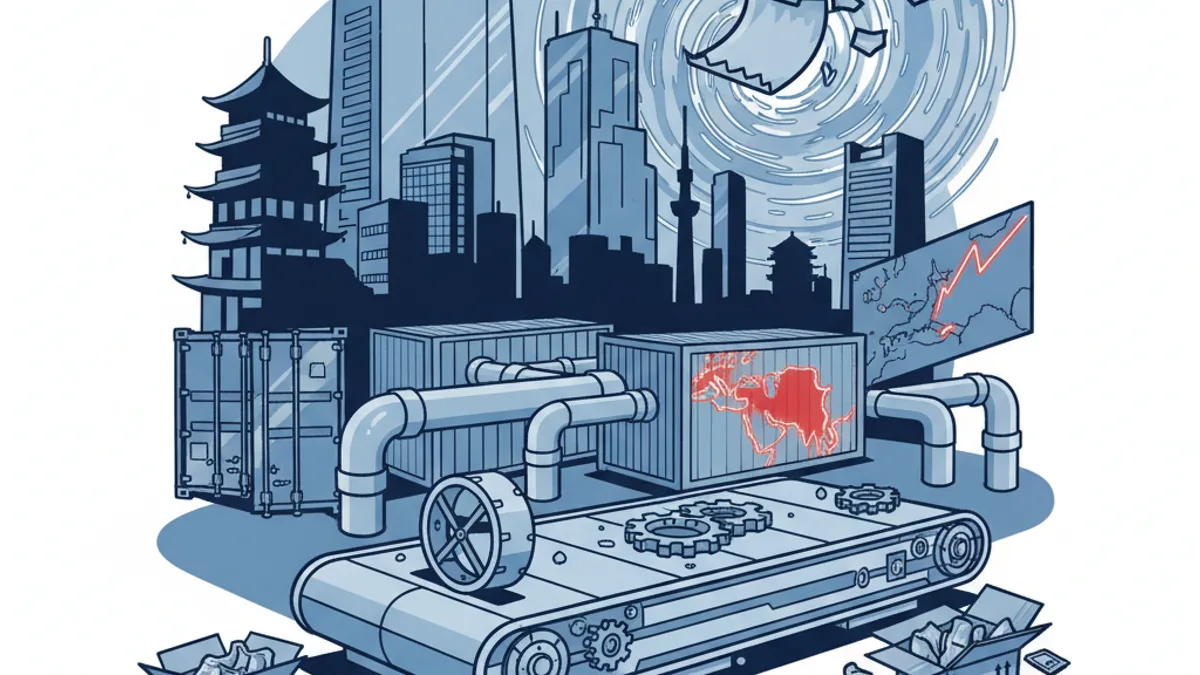
Natto and Gyoza Shortages Hit Japan as Iran Crisis Disrupts Packaging Supply
Natto and gyoza products face sales suspensions and up to 20% price increases due to packaging material shortages caused by Iran-related supply chain disruptions affecting Japan's food industry.
Key Points
- • Some natto and refrigerated gyoza products suspended due to packaging shortages.
- • Mitsukan raising natto prices up to 20% amid supply difficulties.
- • Iran situation disrupting global petrochemical markets affecting Japanese packaging materials.
- • Expect potential product shortages and higher prices in coming weeks.
Foreign residents in Japan may soon notice empty shelves where their favorite natto and frozen gyoza products once sat, as major food manufacturers announce production halts and significant price increases due to packaging material shortages linked to geopolitical tensions in Iran.
According to NHK, several Japanese food companies have begun suspending sales of certain natto products and refrigerated gyoza, citing difficulties in securing stable supplies of packaging materials. The disruption stems from the ongoing situation in Iran, which has created ripple effects throughout global supply chains that extend far beyond the Middle East.
The packaging crisis has particularly impacted products that require specialized materials for freshness and shelf life. Natto, a fermented soybean staple found in most Japanese households, relies on specific packaging films that maintain the product's unique texture and prevent spoilage. Similarly, refrigerated gyoza dumplings require moisture-resistant packaging to preserve quality during storage and transport.
Adding to consumer concerns, major condiment and food manufacturer Mitsukan has announced price increases of up to 20% on its natto products, according to Yahoo Japan Business. This represents one of the steepest price hikes in the natto category in recent years and reflects the compounding pressures facing food manufacturers beyond just packaging shortages.
The Iran situation has disrupted global petrochemical markets, which directly impacts the production of plastic films and other petroleum-based packaging materials widely used in Japan's food industry. Japan imports significant quantities of these materials, making the domestic food sector vulnerable to international supply chain disruptions. While Iran itself may not be a direct supplier to Japan, instability in the region affects global oil markets and petrochemical production capacity, creating shortages and price volatility worldwide.
For expats living in Japan, these developments mean more than just higher grocery bills. The affected products represent everyday staples that many foreign residents have incorporated into their Japanese lifestyle. Natto, despite its polarizing nature among newcomers, has become a protein-rich breakfast favorite for many long-term residents. Refrigerated gyoza serves as a convenient meal option for busy professionals and families.
Consumers should prepare for potential product availability issues in the coming weeks and months. While manufacturers haven't specified exact timelines for when production might resume or stabilize, the situation appears tied to broader geopolitical factors beyond any single company's control. This suggests the disruptions could persist until alternative packaging sources are secured or the international situation improves.
The price increases from Mitsukan and potential similar moves by other manufacturers will likely affect household budgets, particularly for families who regularly consume these products. Expats may want to consider exploring alternative protein sources or purchasing larger quantities when products are available, though panic buying should be avoided to ensure fair access for all consumers.
Industry observers note that this situation highlights Japan's vulnerability to global supply chain disruptions, despite being one of the world's most advanced economies. The country's heavy reliance on imported raw materials and packaging components means that international crises can quickly translate into domestic shortages and price increases.
For now, foreign residents should monitor their local supermarkets for product availability and be prepared to adjust shopping habits accordingly. While the situation remains fluid, staying informed through reliable news sources will help expats navigate these supply challenges and make informed purchasing decisions during this period of uncertainty in Japan's food sector.