PM Takaichi Strengthens Energy Security Through Southeast Asia Diplomacy
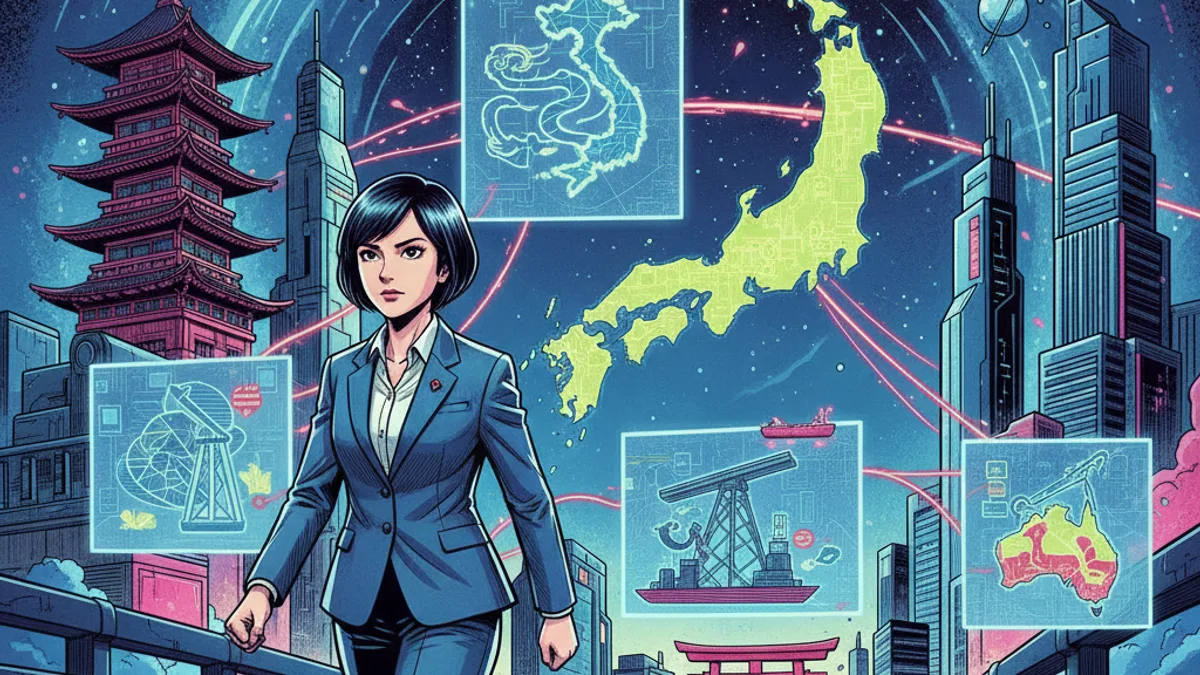
PM Takaichi's May 2026 visits to Vietnam and Australia focus on securing critical minerals and LNG supplies, aiming to strengthen Japan's energy security and supply chain resilience amid global volatility.
Key Points
- • Japan strengthening rare earth and critical mineral supply chains with Vietnam.
- • Joint statement with Australia expected on smooth LNG distribution and energy flow.
- • Vietnam crude oil cooperation aims to stabilize medical materials supply chains.
- • Updated Indo-Pacific strategy prioritizes energy security amid international tensions.
Prime Minister Sanae Takaichi is undertaking a crucial diplomatic tour of Southeast Asia and Australia, focusing on strengthening Japan's energy security and securing access to critical minerals essential for the nation's economic stability. For foreign residents in Japan, these diplomatic efforts have significant implications for energy costs, supply chain reliability, and the broader economic environment.
During her visit to Vietnam in early May 2026, Takaichi held high-level meetings with the country's leadership, including a significant discussion with To Lam, General Secretary of the Communist Party of Vietnam and the nation's supreme leader. According to NHK, the two leaders agreed to strengthen cooperation on supply chains for critical minerals, including rare earth elements that Vietnam produces in significant quantities. This agreement aims to reduce Japan's vulnerability to supply disruptions of materials essential for electronics, renewable energy technologies, and advanced manufacturing.
In a separate meeting with Vietnamese Prime Minister Le Minh Hung, Takaichi confirmed cooperation on Vietnam's crude oil procurement, which NHK reports is intended to ensure stable supplies of medical-related materials. This connection between energy resources and healthcare supplies highlights the interconnected nature of modern supply chains, where petroleum products serve as raw materials for pharmaceuticals and medical equipment that Japan relies upon.
Takaichi also paid respects at the mausoleum of Ho Chi Minh, Vietnam's founding father and independence leader, demonstrating Japan's commitment to deepening bilateral relations beyond purely economic considerations. Such symbolic gestures are important in Asian diplomacy and signal Japan's long-term commitment to regional partnerships.
Following her Vietnam visit, Takaichi departed for Australia on May 3rd, where she was scheduled to meet with Prime Minister Anthony Albanese. According to NHK, the two leaders are expected to issue a joint statement on ensuring smooth distribution of liquefied natural gas (LNG) and other energy resources. Australia is one of Japan's most important LNG suppliers, and this agreement comes at a time when global energy markets remain volatile.
During her Vietnam visit, Takaichi delivered a major policy speech outlining an evolved approach to Japan's "Free and Open Indo-Pacific" (FOIP) diplomatic framework. NHK reports that she emphasized the need to strengthen energy supply chains in response to current international conditions. This updated FOIP strategy reflects Japan's recognition that economic security—particularly in energy and critical materials—has become inseparable from traditional security concerns.
For expats living in Japan, these diplomatic initiatives carry practical significance. Japan imports approximately 90% of its energy needs, making it highly vulnerable to global supply disruptions. Stable LNG supplies from Australia help ensure reliable electricity and heating, which directly affects household utility costs. Similarly, secure access to rare earth elements supports Japan's technology and manufacturing sectors, which employ many foreign professionals.
The focus on medical supply chains is particularly relevant given recent global experiences with pandemic-related shortages. By diversifying sources of pharmaceutical raw materials through partnerships like those with Vietnam, Japan aims to prevent future disruptions that could affect healthcare access for all residents, including the foreign community.
These diplomatic efforts also reflect Japan's broader strategy of reducing dependence on any single country for critical resources. By strengthening ties with Southeast Asian nations and traditional partners like Australia, Japan is building a more resilient economic foundation that should provide greater stability for residents and businesses operating in the country.
As Japan navigates an increasingly complex international environment, Prime Minister Takaichi's Southeast Asia diplomacy represents a proactive approach to ensuring the energy security and supply chain stability that underpin daily life in Japan. Foreign residents can expect these agreements to contribute to more predictable energy costs and reliable access to essential goods and services in the months and years ahead.