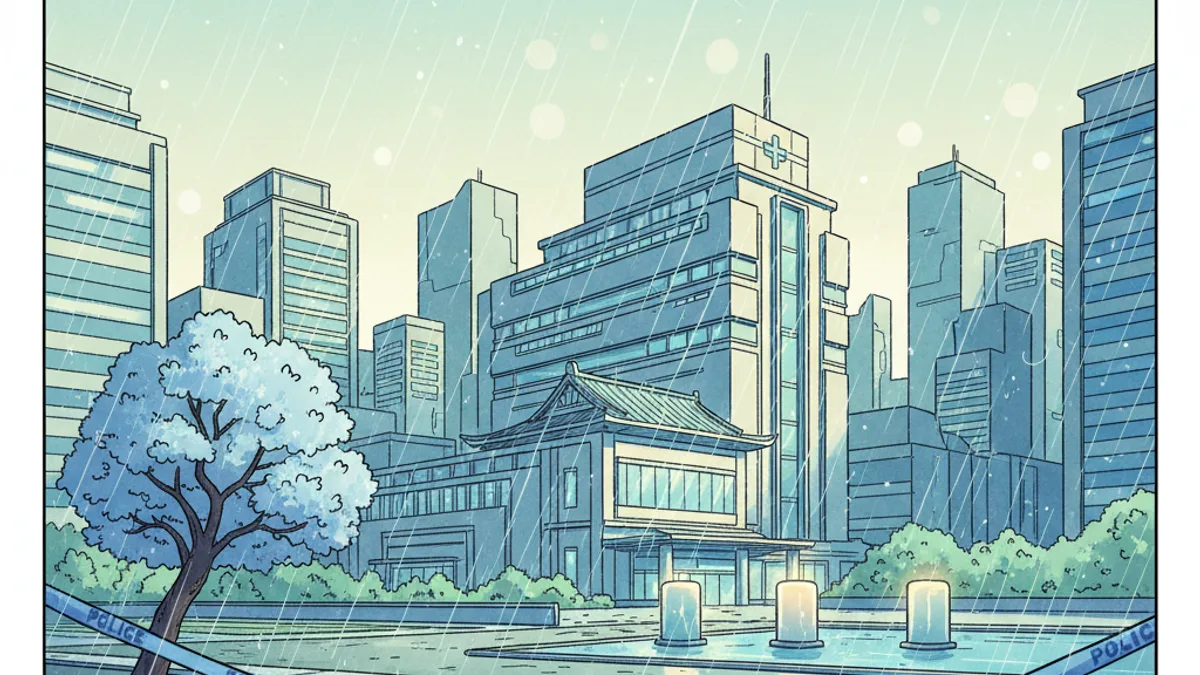
Teen Dies, Two Critical After Suspected Drug Mix-up at Saitama Hospital
One teenager died and two children remain critical after receiving contaminated cancer treatment at Saitama Children's Medical Center. An unauthorized drug was detected in their spinal fluid with no administration records.
Key Points
- • Teen died, two critical after wrong drug found in leukemia treatment injections.
- • Unauthorized substance detected in spinal fluid had no documented administration records.
- • Police investigating potential human error, protocol failures, or criminal activity.
- • Expats should ask detailed medication questions and maintain personal medical records.
A tragic incident at Saitama Children's Medical Center has raised serious concerns about patient safety in Japan's healthcare system. One teenager has died and two other young patients remain in critical condition after receiving what appears to be a contaminated cancer treatment injection, according to NHK.
The incident occurred during routine leukemia treatment at the prefectural hospital in Saitama City. Three patients—two teenagers and one child under 10 years old—experienced severe complications following intrathecal chemotherapy injections, a standard procedure where anti-cancer drugs are administered directly into the spinal fluid surrounding the brain and spinal cord.
According to NHK, medical staff detected an unauthorized drug in the spinal fluid of all three patients. The substance identified was not part of the prescribed chemotherapy protocol and should never have been present in intrathecal injections. Hospital records show no documentation of this drug being administered to any of the three patients, raising questions about how the contamination occurred.
The unidentified substance has been described in Japanese media reports as a "potent drug" that poses extreme danger when introduced into the central nervous system. While the specific medication has not been publicly named, intrathecal injections require meticulous preparation as even small errors can prove fatal. The medication detected in the patients' spinal fluid is typically used in cancer treatment but is never administered via spinal injection due to severe toxicity risks.
Authorities are now investigating whether the incident resulted from human error, systemic failures in hospital protocols, or potentially criminal activity. NHK reports that police and hospital administrators are examining the possibility of both accidental and intentional causes. The lack of any administration records for the detected substance suggests the contamination occurred outside normal medical procedures, though investigators have not ruled out any scenario.
For foreign residents in Japan, this incident highlights important considerations when seeking medical care. While Japan's healthcare system generally maintains high safety standards, this case demonstrates that even major hospitals can experience critical failures. Expats should feel empowered to ask detailed questions about medications and procedures, even in emergency situations.
Saitama Children's Medical Center is a major prefectural facility specializing in pediatric care, making this incident particularly concerning for families with children. The hospital has not released detailed information about what preventive measures are being implemented to prevent similar occurrences.
Patients and families affected by medical errors in Japan have legal recourse through both civil litigation and criminal complaints. However, language barriers can complicate these processes for non-Japanese speakers. Foreign residents facing similar situations should immediately contact their embassy and consider engaging legal representation familiar with medical malpractice cases.
The investigation remains ongoing, with authorities working to determine exactly how the wrong medication entered the treatment process. Hospital officials are cooperating with police while conducting internal reviews of their drug preparation and administration protocols.
This tragedy serves as a sobering reminder that medical errors can occur anywhere, regardless of a country's overall healthcare quality. For expats living in Japan, maintaining detailed personal medical records, asking questions about treatment plans, and having access to interpretation services during medical procedures are essential safety practices.
As more information becomes available, families using pediatric medical facilities in Saitama Prefecture and throughout Japan should stay informed about any protocol changes or safety announcements from healthcare providers. The outcome of this investigation may lead to nationwide reviews of chemotherapy administration procedures at children's hospitals across Japan.