Tokyo Skytree Elevator Malfunction Traps 20 Visitors for Over Five Hours
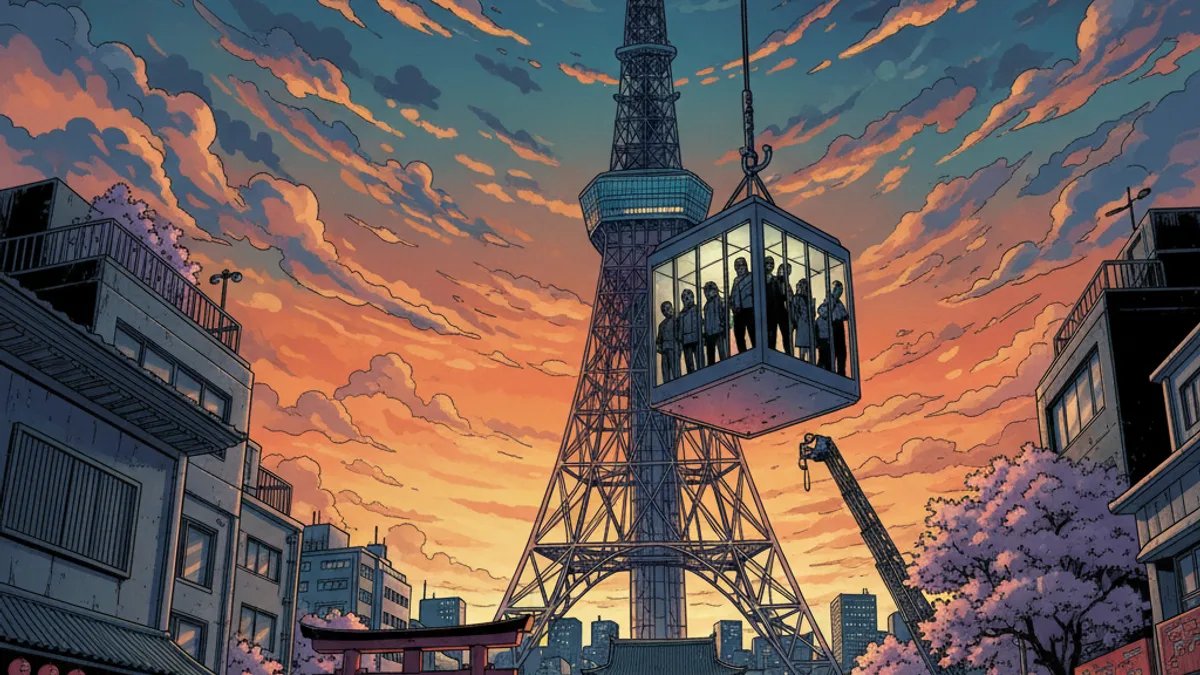
Twenty people, including children, were trapped in a Tokyo Skytree elevator for over five hours on February 22. All were rescued safely without injuries, prompting an ongoing investigation.
Key Points
- • Twenty visitors trapped over five hours in Skytree elevator, all rescued safely.
- • Incident occurred February 22 after 8 PM in Sumida Ward tower.
- • Approximately 600 people were in observation decks during the malfunction.
- • Carry charged phones and prepare for emergencies at tall attractions.
Twenty visitors to Tokyo Skytree, including children, were trapped inside a malfunctioning elevator for more than five and a half hours on the evening of February 22, 2026, according to NHK. All passengers were eventually rescued without injuries, but the incident has raised questions about safety protocols at one of Tokyo's most popular tourist destinations.
The emergency began shortly after 8:00 PM when police received a 110 emergency call reporting that an elevator at the iconic 634-meter tower in Sumida Ward had suddenly stopped operating. Initial reports suggested approximately 15 people were trapped, though authorities later confirmed the actual number was 20 passengers, including children. Some reports indicated that two elevator cars may have stopped simultaneously, complicating rescue efforts.
According to NHK, the Metropolitan Police Department and fire services immediately began rescue operations. The extended duration of the incident—lasting over five and a half hours—meant passengers remained confined in the elevator until well past 1:00 AM. Despite the lengthy ordeal, all 20 individuals were successfully rescued, and no injuries were reported. Authorities are now investigating the cause of the sudden elevator failure.
The incident occurred during operating hours when Tokyo Skytree was hosting visitors across its observation decks. Reports suggest that approximately 600 people may have been present in the observation areas at the time of the malfunction, according to Livedoor News. While most visitors were unaffected by the elevator stoppage, those trapped faced an uncomfortable and potentially frightening experience, particularly families with children.
For foreign residents and tourists who frequently visit Tokyo Skytree, this incident serves as an important reminder about emergency preparedness at major attractions. Tokyo Skytree, which opened in 2012, is one of the world's tallest structures and attracts millions of visitors annually, including a significant number of international tourists and expats living in Japan. The tower features high-speed elevators that normally transport visitors to observation decks at 350 and 450 meters above ground in approximately 50 seconds.
While elevator malfunctions are relatively rare at major Japanese facilities, which are known for rigorous safety standards and regular maintenance, this incident demonstrates that emergencies can occur even at well-maintained landmarks. Japanese building codes require strict adherence to safety protocols, and elevators in high-rise structures undergo regular inspections. The cause of this particular failure remains under investigation by authorities.
For expats and visitors planning trips to Tokyo Skytree or similar attractions, several practical considerations emerge from this incident. First, it's advisable to carry a charged mobile phone when visiting tall structures, as communication with emergency services proved crucial in this case. Second, those with young children, elderly family members, or individuals with medical conditions should be aware that elevator emergencies, while uncommon, can result in extended confinement periods.
The incident also highlights the importance of remaining calm during emergencies in Japan. The fact that all passengers emerged without injury after more than five hours suggests that rescue protocols were followed effectively, and passengers likely received communication and support throughout the ordeal.
Tokyo Skytree management has not yet released a public statement regarding the incident or announced any changes to operations. Expats planning visits should monitor official announcements from Tokyo Skytree and consider checking the facility's website or contacting visitor services for updates on elevator safety and any operational changes implemented following this investigation.
As authorities continue their investigation into what caused the elevator malfunction, this incident serves as a reminder that even Japan's most modern infrastructure can experience unexpected failures, underscoring the importance of emergency preparedness when visiting major attractions.
Sources
This article was written by AI from these Japanese-language reports. Check them before acting on anything here.
- [1] NHK — original report (Japanese)
- [2] Livedoor News — original report (Japanese)
- [3] Livedoor News — original report (Japanese)
AI-written summary of Japanese reports; not human-reviewed; check the linked sources. How we write articles