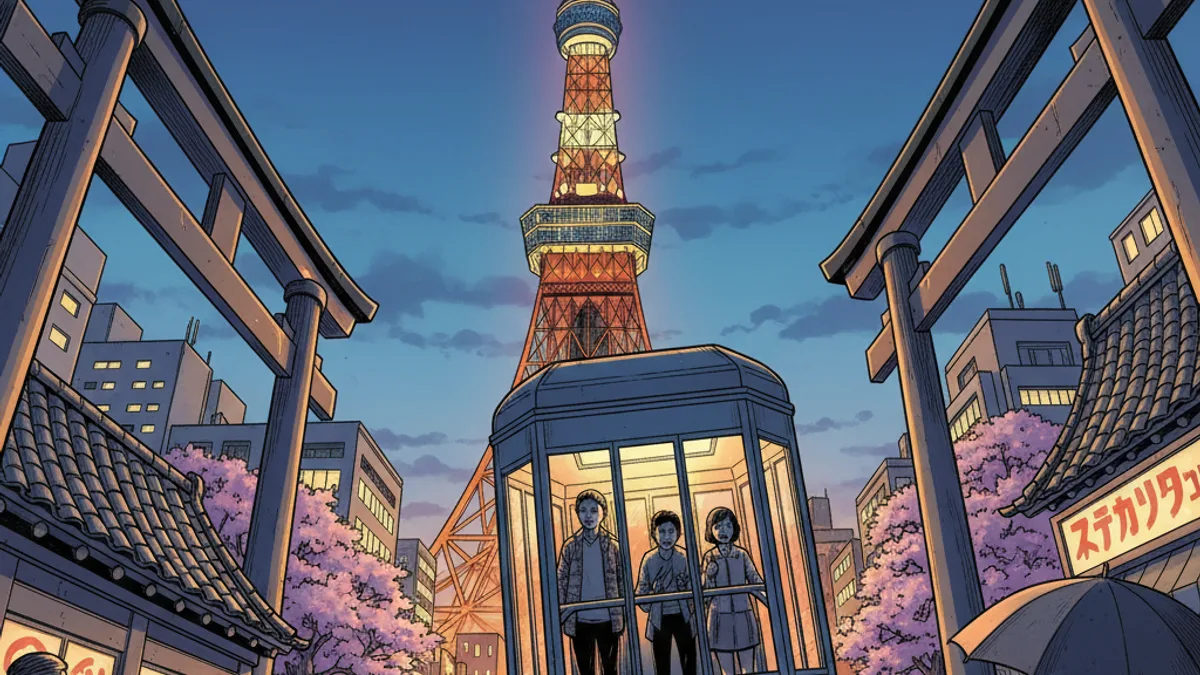
Tokyo Skytree Reopens After Elevator Malfunction Traps 20 Visitors
Tokyo Skytree reopened February 26th after a fuse malfunction trapped 20 people in an elevator on February 22nd. The operating company identified the cause and implemented preventive measures during the three-day closure.
Key Points
- • Tokyo Skytree reopened February 26th at 10:00 AM after three-day closure.
- • Elevator malfunction trapped 20 people due to overheated control panel fuse.
- • Operating company implemented preventive measures before resuming operations.
- • Check official website before visiting to confirm normal operations.
Tokyo Skytree, one of Japan's most iconic landmarks and a popular destination for foreign visitors, resumed operations on February 26th following a three-day closure after an elevator malfunction trapped 20 people inside the tower on February 22nd.
According to NHK, the incident occurred on the evening of February 22nd when an elevator suddenly stopped, leaving 20 visitors confined inside. The operating company held a press conference on February 25th to explain the cause and announce the reopening schedule. The tower resumed normal operations at 10:00 AM on February 26th.
The investigation revealed that the malfunction was caused by a fuse in the elevator's control panel that broke due to heat exposure, according to statements from the operating company reported by both NHK and Livedoor News. This technical failure triggered the elevator's emergency stop system, bringing the car to a halt and trapping the passengers inside.
While the operating company has not publicly disclosed how long the 20 people remained trapped or the specific details of the rescue operation, they have confirmed that measures have been implemented to prevent similar incidents from occurring in the future. The company's decision to close the entire facility for three days demonstrates the seriousness with which they treated the safety concerns.
For expats and tourists planning visits to Tokyo Skytree, this incident serves as a reminder of the importance of staying informed about facility operations. The tower, which stands at 634 meters and attracts millions of visitors annually, is generally considered extremely safe, with rigorous maintenance protocols in place. However, mechanical failures can occur even in Japan's well-maintained infrastructure.
The Tokyo Skytree features multiple high-speed elevators that transport visitors to observation decks at 350 meters (Tembo Deck) and 450 meters (Tembo Galleria). These elevators are essential to the tower's operations, as the observation decks are the primary attraction. The elevators are designed with multiple safety systems, including emergency brakes and backup power supplies, which likely prevented a more serious incident.
Japanese infrastructure operators typically respond to safety incidents with thorough investigations and transparent communication, as evidenced by the operating company's press conference and the detailed explanation of the technical cause. This approach aligns with Japan's broader culture of safety-consciousness and accountability in public facilities.
For foreign residents and visitors, it's worth noting that elevator emergencies in Japan, while rare, are handled by trained professionals. Japanese building codes require regular elevator inspections, and emergency response protocols are strictly followed. In the event of being trapped in an elevator, visitors should use the emergency call button and wait calmly for assistance, as rescue teams are well-equipped to handle such situations.
The three-day closure likely resulted in significant revenue loss for the operating company and disappointment for visitors who had planned trips to the landmark. However, the decision to remain closed until the cause was identified and remedial measures implemented reflects Japan's prioritization of public safety over commercial considerations.
As Tokyo Skytree has now reopened with the issue resolved, expats and tourists can visit with confidence. The tower remains one of Tokyo's must-see attractions, offering spectacular views of the city and Mount Fuji on clear days. Visitors are advised to check the official website or social media channels before planning their visit to ensure normal operations, especially during adverse weather conditions or maintenance periods.
The incident highlights the importance of staying informed about facility operations and having contingency plans when visiting major tourist attractions in Japan. While such incidents are uncommon, they remind us that even in a country known for its exceptional infrastructure, technical issues can occasionally arise.
Sources
This article was written by AI from these Japanese-language reports. Check them before acting on anything here.
- [1] NHK — original report (Japanese)
- [2] Livedoor News — original report (Japanese)
AI-written summary of Japanese reports; not human-reviewed; check the linked sources. How we write articles