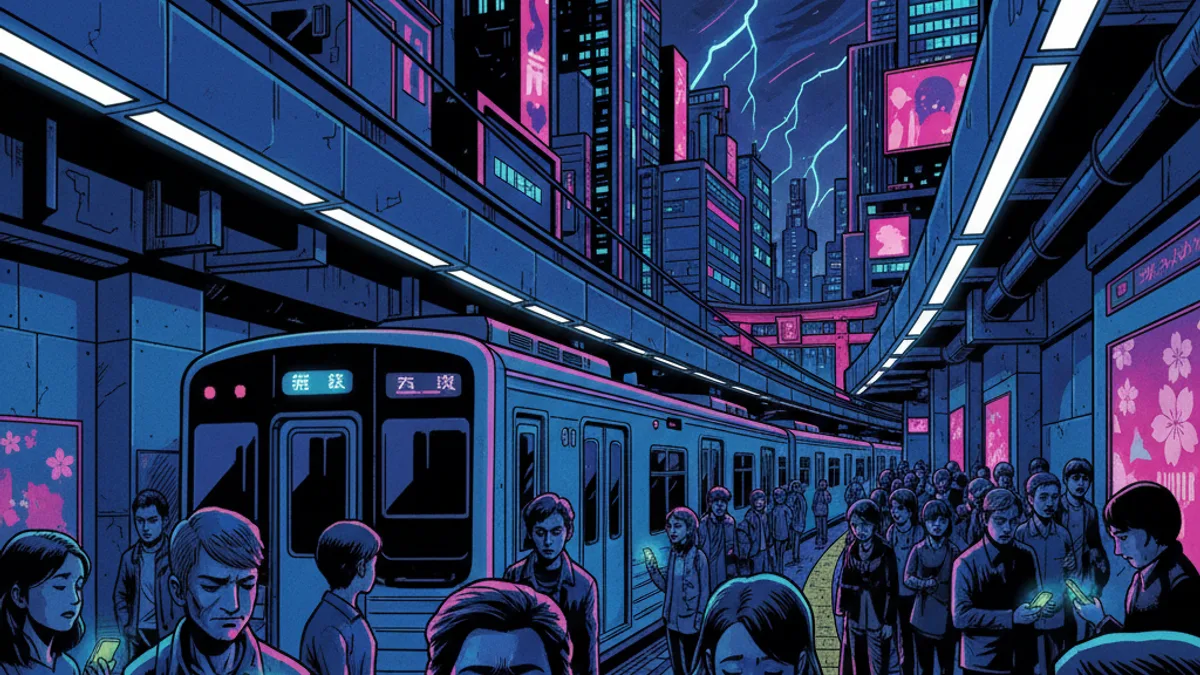
Tokyo Subway Power Outage: Tokyu Toyoko Line Suspended for 9.5 Hours
A power supply failure suspended the Tokyu Toyoko and Minatomirai Lines for 9.5 hours on March 13, affecting 120,000 passengers during evening rush hour. The outage impacted key routes between Tokyo and Yokohama.
Key Points
- • Tokyu Toyoko and Minatomirai Lines suspended 9.5 hours on March 13.
- • Over 120,000 passengers affected, including evening rush hour commuters.
- • Power supply system failure in Yokohama sections caused the suspension.
- • Service fully restored after repairs; alternative routes were necessary.
A major power outage disrupted one of Tokyo's busiest commuter lines on March 13, leaving over 120,000 passengers stranded and highlighting the vulnerability of Japan's typically reliable railway infrastructure. The Tokyu Toyoko Line and connecting Minatomirai Line suspended operations for approximately 9.5 hours, creating significant challenges for foreign residents and Japanese commuters alike during the critical evening rush hour.
According to NHK, the suspension began just after noon on March 13 and affected sections of the line running through Yokohama. The outage was caused by a failure in the overhead power supply system that delivers electricity to moving trains through overhead wires, known as catenary lines. This critical infrastructure malfunction prevented trains from receiving the electrical current necessary for operation, forcing railway operators to halt service across affected sections.
The timing of the outage proved particularly problematic for the estimated 120,000 passengers impacted by the disruption. Many commuters found themselves stranded during the evening rush hour, when the Tokyu Toyoko Line typically carries heavy traffic between central Tokyo and Yokohama. The line serves as a vital artery connecting major stations including Shibuya, Nakameguro, and Yokohama, making it especially important for foreign residents working in Tokyo's business districts who live in the more affordable Yokohama area.
For expats unfamiliar with alternative routes, such disruptions can be particularly challenging. The Tokyu Toyoko Line directly connects with the Minatomirai Line, which serves popular expat residential areas and tourist destinations in Yokohama, including the Minato Mirai waterfront district. When both lines suspend service simultaneously, passengers must navigate complex alternative routes using JR East lines or the Yokohama Municipal Subway, which can be confusing for those with limited Japanese language skills.
The incident underscores the importance of having backup transportation plans, even in Japan's famously punctual railway system. While train delays and cancellations are relatively rare compared to other countries, infrastructure failures do occur. Foreign residents should familiarize themselves with alternative routes for their daily commutes and consider downloading railway navigation apps that provide real-time updates in English, such as Japan Transit Planner or Google Maps.
Service was eventually restored after engineers completed repairs to the power supply system, with trains resuming normal operations later that evening. The swift resolution demonstrates the efficiency of Japanese railway maintenance teams, though the extended duration of the outage was unusual by Japanese standards, where even minor delays typically generate significant public attention and formal apologies from railway operators.
For expats living in Japan, this incident serves as a reminder to stay informed about transportation disruptions through official channels. Most major railway companies, including Tokyu Corporation, provide service updates through their English-language websites and social media accounts. Additionally, signing up for railway company apps or following their Twitter accounts can provide real-time notifications about service interruptions.
The March 13 outage also highlights the interconnected nature of Tokyo's railway network. When one major line suspends service, the ripple effects can impact multiple connecting lines and cause overcrowding on alternative routes. Foreign residents should allow extra travel time during such incidents and consider flexible work arrangements with their employers when major transportation disruptions occur.
While Japan's railway system remains one of the world's most reliable, this incident demonstrates that even the most efficient infrastructure can experience unexpected failures. Expats should maintain awareness of their surroundings, keep emergency contact information accessible, and stay updated on service announcements to navigate such disruptions effectively.
Sources
This article was written by AI from these Japanese-language reports. Check them before acting on anything here.
- [1] NHK — original report (Japanese)
- [2] Livedoor News — original report (Japanese)
AI-written summary of Japanese reports; not human-reviewed; check the linked sources. How we write articles