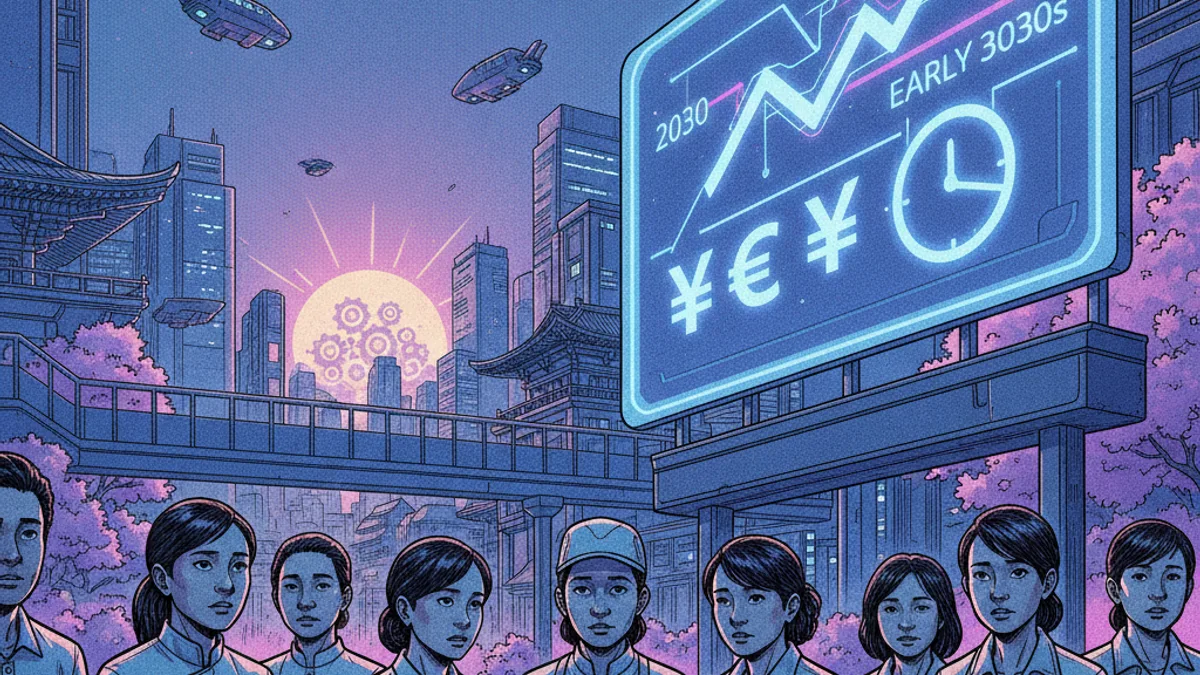
Japan Postpones ¥1,500 Minimum Wage Target to Early 2030s
Japan postponed its ¥1,500 minimum wage target to the early 2030s from the original 2030 goal. This affects foreign workers in minimum wage positions across hospitality, retail, and service sectors.
Key Points
- • Minimum wage target of ¥1,500 delayed to early 2030s from 2030.
- • Annual minimum wage reviews continue each July-August, implemented in October.
- • Current national average stands at approximately ¥1,055 per hour in 2025.
- • Foreign workers can report wage violations to local Labor Standards Inspection Offices.
The Japanese government has officially postponed its goal of raising the national minimum wage to ¥1,500 per hour, pushing the target timeline to "as early as possible in the first half of the 2030s," according to reports from Livedoor News published on June 25, 2026. This represents a significant delay from earlier ambitions and has important implications for foreign workers employed in minimum wage positions across Japan.
The revised timeline marks a departure from previous government commitments to achieve the ¥1,500 threshold by 2030. While specific reasons for the postponement were not detailed in the available sources, the decision reflects ongoing challenges in balancing wage growth with economic conditions and business sustainability concerns.
For context, Japan's minimum wage system operates on a prefectural basis, with each of the country's 47 prefectures setting its own rate within national guidelines. As of 2025, the national weighted average minimum wage stood at approximately ¥1,055 per hour, though rates vary significantly by region. Tokyo maintains the highest minimum wage at around ¥1,163 per hour, while rural prefectures often set rates closer to ¥900-¥950 per hour.
The postponement means that foreign residents working in industries typically paying minimum wage—including hospitality, retail, food service, and certain manufacturing sectors—should not expect rapid wage increases in the near term. Many part-time workers, including students on dependent visas and those holding working holiday visas, often earn wages at or near minimum wage levels, making this policy shift particularly relevant to these populations.
For expats employed in minimum wage positions, this development underscores the importance of understanding your employment contract and local wage regulations. While the ¥1,500 target has been delayed, annual minimum wage reviews still occur each year, typically announced in July or August and implemented in October. These annual adjustments have historically ranged from ¥20-¥50 per hour in recent years, representing incremental but steady progress.
The postponement also has broader implications for household budgets and financial planning. Foreign residents who were anticipating more substantial wage growth may need to adjust their expectations for income increases over the coming years. This is particularly relevant for those considering long-term residence in Japan or planning major financial commitments such as housing purchases or family expansion.
It's worth noting that while minimum wage workers will see slower growth than previously anticipated, Japan's labor shortage in certain sectors continues to drive wages above minimum levels in practice. Industries facing severe worker shortages, including construction, logistics, and healthcare, often pay well above minimum wage to attract employees, and this market dynamic remains unchanged by the government's policy adjustment.
Foreign workers should also be aware that regardless of the postponed national target, employers remain legally obligated to pay at least the prefectural minimum wage. If you believe your employer is paying below the legal minimum, you can report violations to your local Labor Standards Inspection Office (労働基準監督署), which provides consultation services in multiple languages in major cities.
Looking ahead, the government's commitment to reaching ¥1,500 "as early as possible" in the early 2030s suggests continued upward pressure on wages, albeit at a slower pace than previously envisioned. For foreign residents planning their careers and finances in Japan, this timeline provides a more realistic framework for wage growth expectations over the next decade.
As annual minimum wage reviews continue, expats should stay informed about changes in their prefecture and ensure their employers comply with any adjustments. While the path to ¥1,500 will take longer than initially planned, Japan's commitment to gradual wage increases remains intact.