Japan's Daycare Waiting List Grows for First Time in Nine Years
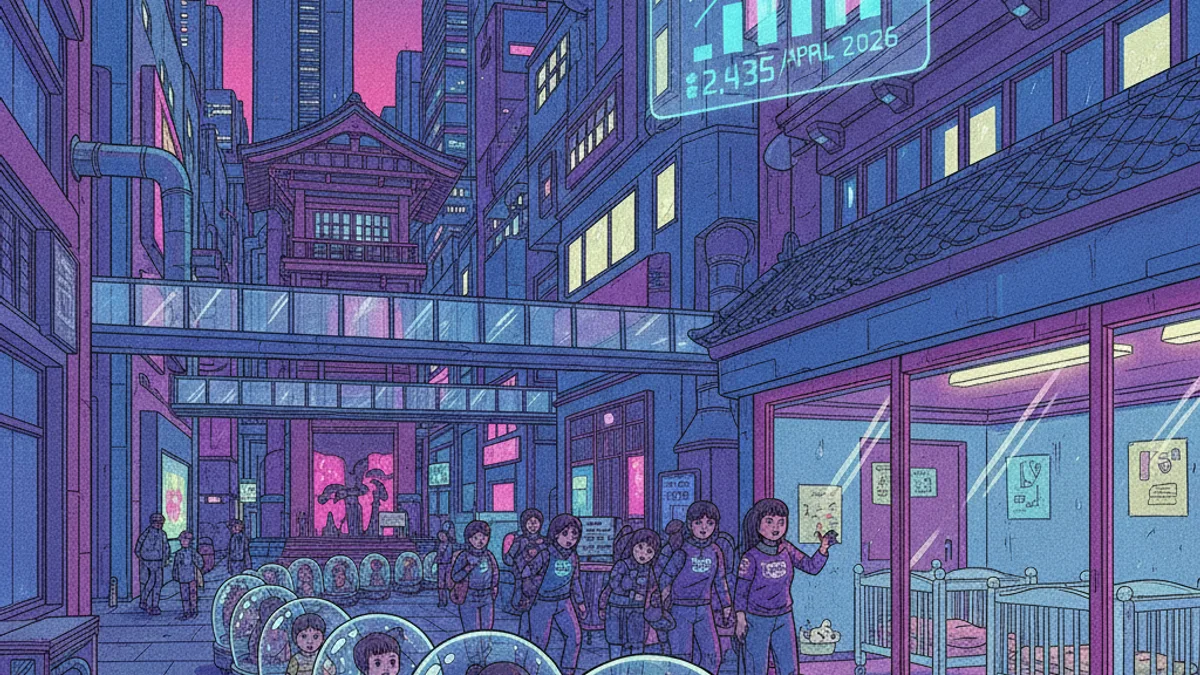
Japan's daycare waiting list increased to 2,435 children in April 2026, the first rise in nine years. A severe childcare worker shortage is preventing facilities from accepting more children despite available space.
Key Points
- • Daycare waiting list reached 2,435 children as of April 2026, first increase since 2017.
- • Childcare worker shortage prevents centers from accepting children despite physical capacity available.
- • Foreign families eligible for public daycare but face increased competition under point-based system.
- • Applications typically open in autumn for following April; apply early to multiple facilities.
Japan's daycare waiting list has increased for the first time in nearly a decade, raising concerns among foreign families seeking childcare options in the country. According to NHK, approximately 2,400 children were on waiting lists for daycare facilities as of April 2026, marking the first increase since 2017 and signaling a reversal of years of steady progress in addressing childcare availability.
The primary driver behind this troubling trend is a severe shortage of childcare workers, which has prevented daycare centers from accepting more children despite physical capacity being available. This workforce crisis comes at a particularly challenging time, as Japan continues to encourage higher birth rates and greater workforce participation among parents, particularly mothers.
For foreign residents living in Japan, this development carries significant implications. Many expat families rely on licensed daycare facilities, known as hoikuen, to enable both parents to work. The Japanese daycare system operates on a point-based admission system, where priority is given to families based on factors such as working hours, household income, and family circumstances. Foreign residents are eligible for the same public daycare services as Japanese citizens, but the increasing competition means securing a spot has become more difficult.
The childcare worker shortage stems from multiple factors affecting the industry. Low wages, demanding working conditions, and insufficient recognition of the profession have made it difficult to attract and retain qualified staff. Despite government initiatives to improve compensation and working conditions for childcare workers in recent years, the sector continues to struggle with recruitment and retention challenges.
This situation is particularly acute in urban areas where demand for childcare services remains high. Major cities like Tokyo, Osaka, and Nagoya have historically had the longest waiting lists, and the current shortage of workers is exacerbating existing pressures. Foreign families in these metropolitan areas may find it especially challenging to secure daycare placement.
For expat parents facing this situation, several options exist beyond traditional hoikuen facilities. Authorized daycare centers (nintei kodomoen) combine features of daycare and kindergarten and may have different availability. Unlicensed daycare facilities, while more expensive and not subsidized by the government, can serve as alternatives, though parents should carefully research and visit any facility before enrollment.
Company-operated daycare centers represent another option, with some large employers offering on-site or affiliated childcare facilities for employees' children. Foreign residents working for international companies or large Japanese corporations should inquire about such benefits.
The Japanese government has acknowledged the severity of the situation. Previous policies successfully reduced waiting lists from over 26,000 children in 2017 to historic lows in recent years through facility expansion and improved childcare worker recruitment. However, the current reversal suggests that additional measures will be necessary to address the underlying workforce shortage.
Experts suggest that without significant intervention, the waiting list problem could worsen. The declining birth rate means fewer young people are entering the workforce overall, making recruitment in all sectors more challenging. Additionally, childcare work competes with other service industry jobs that may offer better compensation or working conditions.
For foreign families planning to move to Japan or those expecting children, understanding the daycare application process is crucial. Applications typically open in autumn for the following April, which is when the Japanese school year begins. Parents should apply as early as possible and consider multiple facilities to improve their chances of securing placement.
The increase in daycare waiting lists represents a setback in Japan's efforts to support working families and maintain workforce participation. Foreign residents should prepare for potential challenges in securing childcare and explore multiple options to ensure they have adequate support for their families while living and working in Japan.
Sources
This article was written by AI from these Japanese-language reports. Check them before acting on anything here.
- [1] NHK — original report (Japanese)
- [2] Yahoo! Japan News — original report (Japanese)
AI-written summary of Japanese reports; not human-reviewed; check the linked sources. How we write articles