Japanese Firms Navigate Middle East Crisis with Supply Chain Adjustments
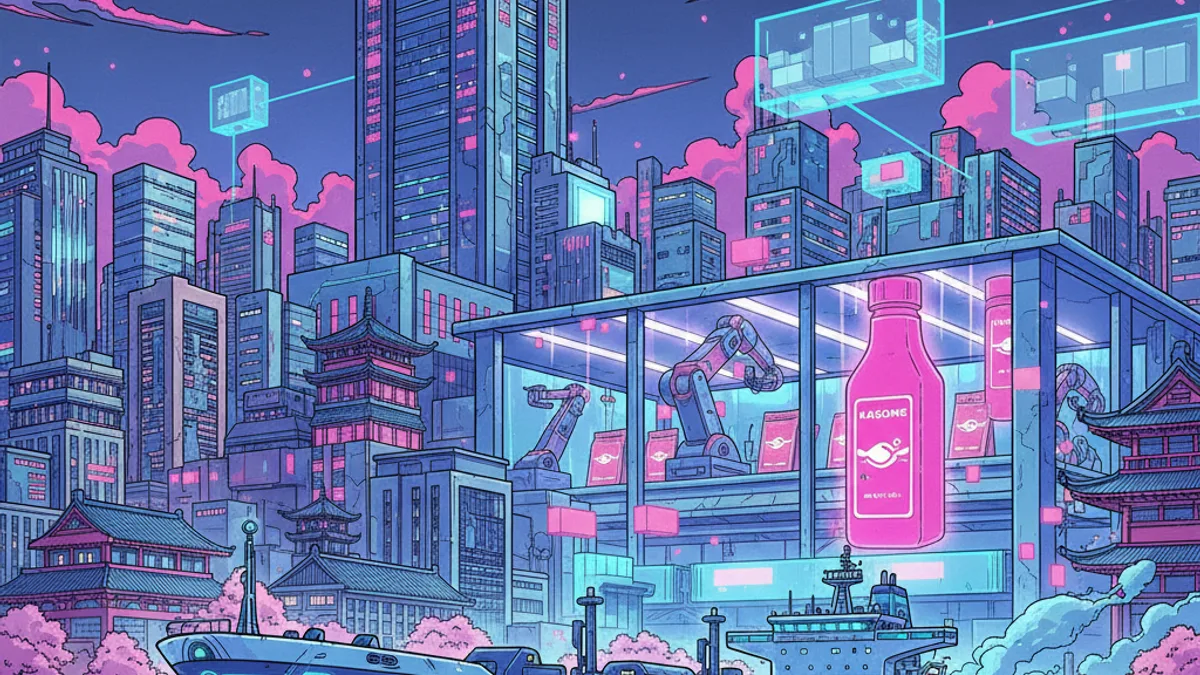
Japanese companies adjust operations as Middle East crisis disrupts supply chains. ENEOS tanker successfully transits Hormuz Strait while Kagome redesigns ketchup packaging to reduce ink usage amid material shortages.
Key Points
- • ENEOS tanker with four Japanese crew successfully passed through Strait of Hormuz.
- • Kagome reducing tomato illustrations on ketchup bottles due to ink supply instability.
- • Middle East crisis affecting Japan's energy imports and consumer product materials.
- • Supply chain disruptions may lead to packaging changes and potential price impacts.
Major Japanese companies are implementing significant operational changes as the ongoing Middle East crisis continues to disrupt global supply chains, affecting everything from energy imports to food packaging materials. The developments highlight the far-reaching impact of regional instability on Japan's economy and daily consumer goods.
In a notable development reported by NHK on May 14, ENEOS Holdings, Japan's largest oil refiner, successfully navigated a crude oil tanker through the Strait of Hormuz, marking a significant milestone since the waterway's effective blockade began. The tanker, owned by an ENEOS subsidiary, carried four Japanese crew members who were reported to be in good health. According to Reuters and NHK, this represents the first passage by a Japanese company-managed vessel through the strait since the crisis escalated last month.
The Strait of Hormuz serves as a critical chokepoint for global energy supplies, with approximately one-fifth of the world's petroleum passing through the narrow waterway. The successful transit suggests that some maritime traffic may be resuming, though the situation remains fluid and potentially volatile. For expats living in Japan, this development could signal some stabilization in fuel supply chains, though energy security concerns persist.
Beyond the energy sector, the Middle East crisis is creating unexpected ripple effects across Japanese consumer markets. Food giant Kagome announced on May 14 that it will redesign the packaging for its flagship ketchup products by reducing the number of tomato illustrations displayed on bottles. According to the company's statement reported by NHK, this seemingly minor change addresses a significant supply chain challenge: ink procurement has become increasingly unstable due to the Middle East situation.
The packaging redesign represents a practical response to material shortages, allowing Kagome to reduce ink consumption while maintaining product availability. This adjustment reflects how regional conflicts can impact even mundane aspects of daily life in Japan, from condiment bottles to potentially other consumer goods that rely on imported materials or components sourced from affected regions.
For foreign residents in Japan, these developments underscore several important realities about living in a resource-dependent island nation. Japan imports approximately 90 percent of its crude oil, with significant portions historically transiting through Middle Eastern waters. Any disruption to these supply lines can have cascading effects on energy prices, transportation costs, and ultimately the cost of living.
The crisis also highlights Japan's vulnerability to global supply chain disruptions beyond energy. Industrial materials, including specialized inks, dyes, and chemical products, often originate from or transit through regions affected by geopolitical instability. Companies across sectors are likely evaluating their supply chain resilience and considering similar adjustments to Kagome's approach.
While the successful tanker passage offers some optimism, experts caution that the situation remains unpredictable. The Japanese government has been monitoring developments closely, coordinating with shipping companies and energy importers to ensure supply continuity. For expats, particularly those in industries dependent on imported materials or energy-intensive operations, staying informed about these developments is crucial for understanding potential business impacts.
Consumers may notice gradual changes in product packaging, availability, or pricing as companies adapt to the evolving situation. The Kagome announcement suggests that Japanese firms are prioritizing product availability over aesthetic considerations, a pragmatic approach that may become more common if supply disruptions persist.
As the Middle East crisis continues, foreign residents should monitor official announcements from major suppliers and government agencies regarding potential impacts on daily life, from fuel prices to consumer goods availability. While Japan's sophisticated supply chain management and corporate flexibility provide some buffer against disruptions, the interconnected nature of global trade means that distant conflicts can have surprisingly local consequences.